
A recent video of music mogul and businessman Sean Love “Diddy” Combs violently assaulting his then-girlfriend Cassie Ventura has shone a new light on the issue of intimate partner violence. Ventura, who filed a lawsuit against Combs in late 2023, alleging horrific acts of violence and sexual coercion perpetrated by Combs against her, was widely vilified both in the media and on social sites as being after a quick payout from the music mogul, then claimed to be a billionaire. The lawsuit was settled a day after it was filed for an undisclosed amount.
Combs continued to claim his innocence, and in an Instagram post that has since been deleted, in which he asserted that “people” were trying to “destroy my character, destroy my reputation and my legacy,” the rapper vowed to prove his innocence, asserting “I did not do any of those awful things being alleged. I will fight for my name, my family, and for the truth.” The release of the video clearly showing Combs violently attacking Ventura has, however, since made Combs backtrack, issuing what has been characterized as a half-hearted apology in which he claimed that at the time of the attack, “I was fucked up; I had hit rock bottom.” Those in the public sphere who had dismissed Ventura’s claims of abuse as no more than a “cash grab” have also, one after the other, publicly retracted their statements and disavowed Combs as a monster and an abuser.
However, many on social media have called for a refocusing of the conversation, shifting it away from Combs and Ventura, onto the frequency of IPV among ordinary people, and how that too goes unspoken, or unreported, with perpetrators often going unpunished, while victims endure long periods of abuse. This is especially true of the Queer community, where many focus far more on hate and threats from homophobic groups, and fail to fully recognize or acknowledge the prevalence or frequency of IPV in same-sex relationships.
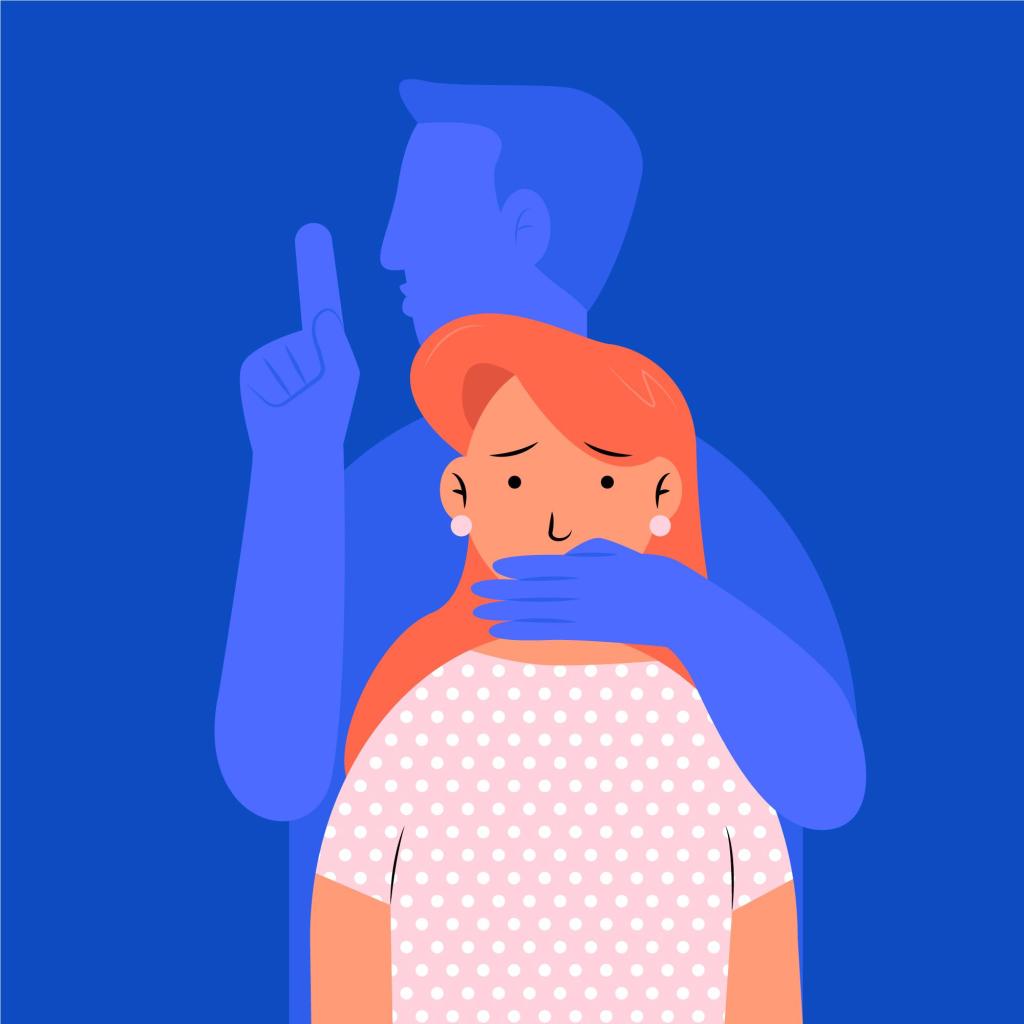
― Judith Lewis Herman, Trauma and Recovery: The Aftermath of Violence – From Domestic Abuse to Political Terror
Much of the focus on IPV is predominantly on heterosexual couples, in which the violence is often directed toward the female partner, and this too has gradually been corrected in media coverage and violence prevention efforts as more and more heterosexual men admit to being victims of IPV themselves.
Same-sex IPV, though grossly unreported, and rarely covered by the media, is not only prevalent, but research suggests that it may be far more prevalent than IPV among heterosexual couples. Multiple studies conducted since 1989 have found that, on average, 61.6 percent of bisexual women, 43 percent of lesbians, 37.7 percent of bisexual men, and 26 percent of gay men experience IPV in their lifetime. At least 14 other studies suggest a greater prevalence of IPV among self-identified lesbian couples as compared to rates seen among heterosexual couples.
The term IPV conjures up violent physical altercations between couples or the use of physical violence by one partner against another. However, the term covers numerous forms of abuse and violence, including stalking, emotional abuse, and psychologically aggressive behavior including employing insults to demean someone’s appearance, intellect, or mental state. For instance, even though rates of physical violence among gay couples are 19 percent to 39 percent, a larger percentage of gay men experience psychological abuse, while 66 percent of gay men and 60.38 percent of bisexual men were victims of stalking.
Also of note is that all forms of abuse, according to studies, are far more likely to occur in gay and bisexual couples than in heterosexual ones, with the prevalence rates of IPV appearing to be the same in the US, Canada, Australia, the UK, South Africa, Brazil, Nigeria, Kenya, and India.
Silent Crisis
In recent months, Bigo Live, a live-streaming social media app owned by Singapore-based company BIGO Technology, has risen in prominence among other “global town square” apps. It has also gained particular prominence in the LGBT community, as an alternative home for Queer conversation, complete with a live video feature, as compared to X’s (formerly Twitter) Spaces, which only allows live audio interactions. As it has seen a large uptake, especially among users of color in countries like the US, so too has it become synonymous with violence and hate speech.
It has become commonplace for content creators and reality TV stars to engage in long-winded arguments complete with homophobic and racial slurs among other forms of profanity. The app has also played virtual host to numerous domestic disputes between same-sex couples who come to blows, as verbal exchanges escalate to fisticuffs and all with an audience of tens or hundreds of viewers egging on the often violent and bloody brawls. Such behavior has been decried by other content creators such as YouTuber and adult entertainer Nico’s Aesthetics, who has reported on fights between prominent adult performer couples on the app numerous times.
This troubling trend has been met with derision, as acts of violence between couples on the platform are seen as a form of entertainment. However, the behavior and reactions to it belie a concerning trend not often talked about – attitudes held toward IPV among LGB couples.
Research into the prevalence of IPV among same-sex couples, and especially among gay and bisexual men shows that, despite a comparatively high prevalence, male victims rarely report abuse. Several factors contribute to the culture of silence surrounding male IPV, including domestic violence as a whole being framed as a largely female issue with men seen as perpetrators of violence and not as victims, the fear of heterosexism and homophobic violence in response to victims revealing their experiences with IPV, and a prevailing misconception that same-sex IPV is bidirectional, meaning that both partners are equally responsible, with no clear victim or perpetrator. Internalized homophobia is also a major factor in remaining silent or choosing to ignore signs of IPV.
It has also been found that, like their straight counterparts, gay and bisexual men do not largely believe that emotional abuse also constitutes IPV, in the same way that physical and sexual abuse do. This is despite research finding that same-sex IPV among men displays the same patterns and psychological consequences as those in heterosexual couples, including jealousy, dependency, substance abuse, and a power imbalance.
Read More:
- Rights Bulwark: Int’s Campaigners, Organizations Brace for Second Trump Term
- Drinking Ourselves to Death: Alcoholism and the Queer Community
- Pride Flags and Black Eyes: Intimate Partner Violence in Queer Relationships
- Hiding in Plain Sight: What We Have Missed About State-Sponsored Homophobia
- Justice Denied: Steven Kabuye Remains Committed to Human Rights Fight Months After Horrific Attack
There has also been a dearth of research into and resources around same-sex IPV when it comes to men. Up until 1987, no concrete research had been done into the frequency and causative factors of IPV among gay men. The book Men Who Beat the Men Who Love Them: Battered Gay Men and Domestic Violence by David Island and Patrick Letellier sought to bridge the gap when it came to IPV and gay men. As a result of Lettelier’s real-life experience as a victim of IPV and Island’s assistance in the aftermath, the book also sought to provide a practical guide to recognizing IPV, stopping it, and how to move on after the fact.
To dispel the myth that IPV among gay men is bidirectional, the book asserts that the violent individual is the sole cause of IPV by choosing to engage in violent behavior, while the victim doesn’t precipitate or contribute to the abuser’s behavior. Whereas perpetrators have mental desires that lead them to want to control the victim, victims do not have mental problems that cause them to seek out abusive partners or situations. The book also states that the only way to end the cycle of violence for the victim is to exit the relationship.
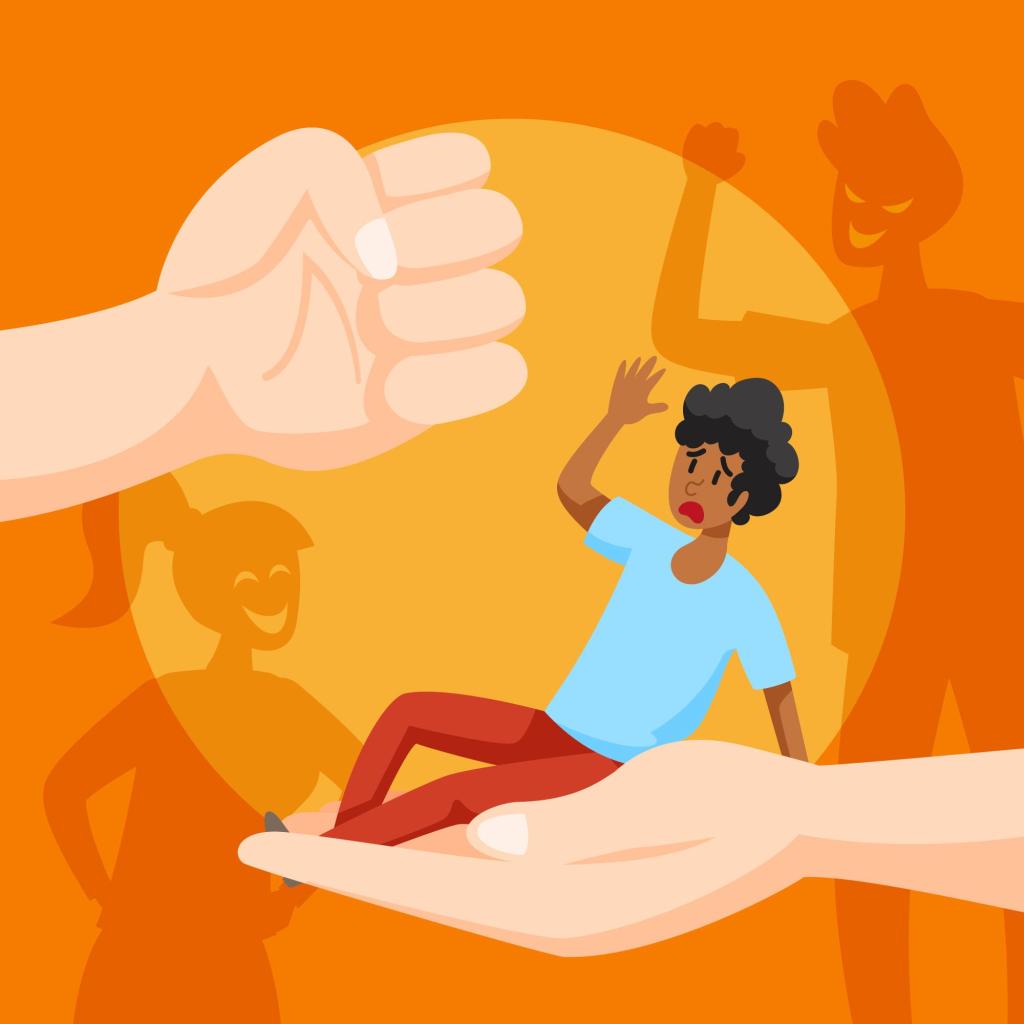
― Mallika Nawal
Also similar to how gay-related IPV is seen as being bidirectional, with no real victim, researchers have found that mental health professionals and those familiar with IPV among heterosexual couples are less likely to identify a violent partner as such in lesbian relationships. More alarmingly, therapists are far more likely to recommend couples counseling for lesbian couples in cases of IPV when they would not do the same in the case of heterosexual couples. Lesbians who have sought psychological help after suffering IPV stated that the therapists’ approaches resulted in physical and psychological harm, while also resorting to direct or indirect victim-blaming even though the violence, whether physical, psychological, or sexual, is not openly named.
Cases of IPV among lesbians are shown to be just as violent and detrimental to physical and mental health as those among straight and gay couples, running contrary to popular belief. According to research conducted through the years, 47 percent to 73 percent of lesbians reported experiencing some form of physical, sexual, emotional, or psychological abuse in at least one relationship. A 1997 study by Wadler-Haugrud and Grath found that half of the study’s respondents reported at least one incident of sexual coercion, with penetration as a frequent outcome. Estimates from previous studies have placed the prevalence of verbal abuse in lesbian relationships as high as 95 percent, including interrupted sleeping and eating habits, verbal threats, being demeaned in front of family and friends, and verbal assaults in the household.
In her 1986 book Homophobia: A Weapon of Sexism, Suzanne Pharr notes, “ There is an important difference between the battered lesbian and the battered non-lesbian: the battered non-lesbian experiences violence within the context of a misogynist world; the lesbian experiences violence within the context of a world that is not only woman-hating but is also homophobic.”
So What Now?
Many of the factors that cause, and indeed perpetuate IPV among LGB couples also affect or are a result of the larger society. Factors such as homophobia and heterosexism, and the outlawing of same-sex relationships, create a pressure cooker-like effect, in which LGB couples not only endure interpersonal relationship pressures but also external pressures. These factors also contribute to service delivery by medical professionals, counselors, social workers, and legal professionals if a victim of IPV seeks assistance.
In order for the needle to be moved in the response to IPV, these factors must be addressed. To start, advocacy, which is the main pillar of support for survivors of IPV should be reconsidered. With everything from advocating for the legal recognition of same-sex unions and the decriminalization of homosexuality, to assisting victims to navigate legal processes to seek justice, advocacy must take on a more targeted approach.
In clinical settings, the use of more neutral, non-heteronormative language when providing services to victims of IPV, to increasing exposure to LGB clients for heterosexual service providers will go a long way toward fostering trust between survivors and professionals. And ultimately, the dearth in research must be addressed if LGB IPV is to be fully understood before being effectively addressed.
There is no silver bullet to tackle the problem of IPV among LGB couples, but having open and honest dialogues about this real threat to Queer people’s mental and physical health is a start.
Photos: Created by Freepik.com
 Piquing Duck