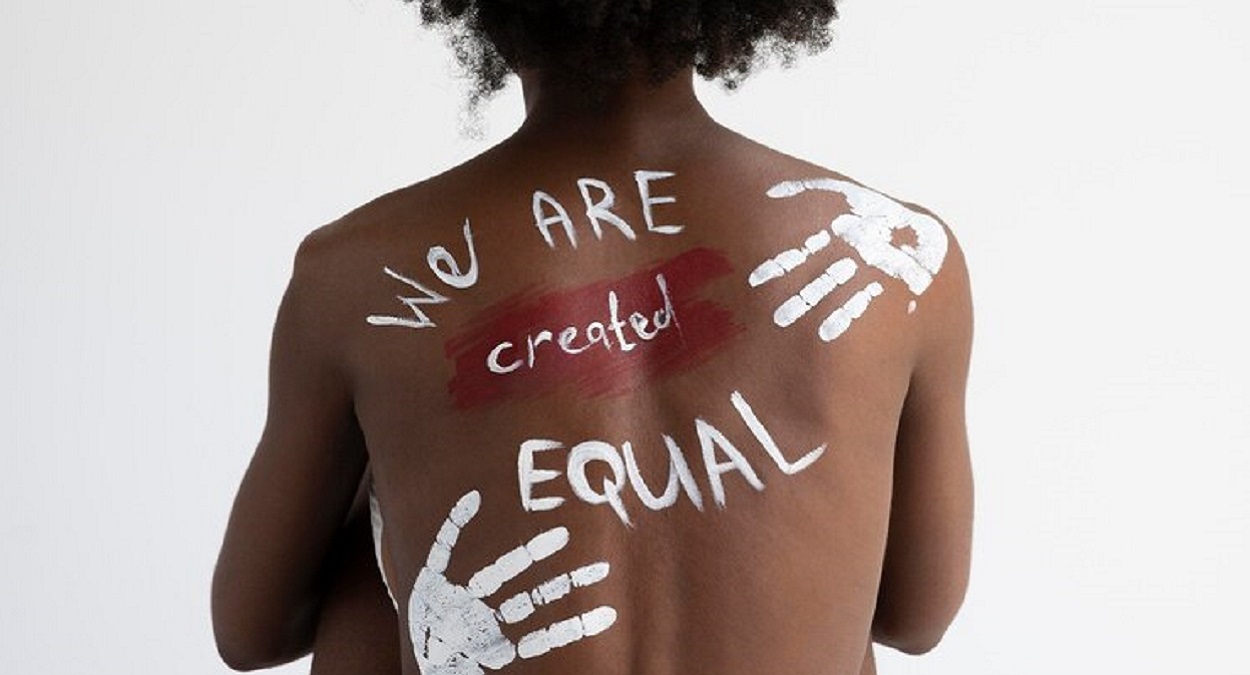
The brutal murder and dismemberment of 20-year-old student Rita Waeni in January this year, only days after the murder of 26-year-old social media influencer Starlet Wahu, was a sobering wakeup call to much of Kenya. Over the years, the brutal killings of Kenyan women have attracted attention and even made international headlines, with little else done by the country’s security agencies, judiciary, or legislative arm to provide further protection to women. In response to the increased number of Femicide cases, women across the country organized mass protests under the banners #EndFemicideKE, #StopKillingUs, and #TotalShutdownKE.
Editor’s Note
Furthermore, there has been little to no acknowledgement of violence faced by Lesbians, Bisexual, Tran, and non-binary women, as was witnessed after the murder of Sheila Adhiambo Lumumba, a non-binary Lesbian in April 2022, and the rape and murder of an Intersex woman in Trans Nzoia only a month after that of Lumumba. Human rights organizations in Kenya that advocate for gender and sexual minorities have continued to call for the protection of LGBTQIA+ individuals, as the repealing of laws that leave them unprotected in the face of violence and sexual assault.
The situation in Kenya highlights how gender-based violence (GBV) and homophobia coexist and create an environment that is both unsafe for cis-het women, and other gender and sexual minorities. Is there a solution? In this installation of Double-Edged Sword, Piquing Duck is in conversation with galck+, a leading Kenyan advocacy non-profit organization, on the issue of Femicide and what the future holds for Kenya’s LGBTQIA+ population.
What is galck+and how does it serve the community in Kenya and beyond? How
long have you been in operation and what are some of the highlights of your service delivery to target communities and society at large?
[G]alck+ is the national umbrella body for 18 LGBTQ+-led organizations working to
advance the health and human rights of lesbian, gay, bisexual, transgender, gender non-conforming, and queer people in Kenya. We are a representation and celebration of the Kenyan LGBTQ+ community. Our work has, so far, inspired cohesion amongst people who appreciate diversity and recognize that everyone has a right to equal opportunities irrespective of their real or perceived sexual orientation, gender, and expression.
Established in 2006, the coalition began with an initial membership of four organizations and expanded to six by the end of 2008. [G]alck+ later expanded in membership to 14 and 16 in 2012 and 2014 respectively, representing LGBTQ+ voices from across Kenya. In 2013, galck+ rolled out a devolution process to decentralize its operations and programming beyond Nairobi. This was in response to an overwhelming need to identify and address grassroots needs and concerns
across the regions, raised in 2012.
We work around several thematic areas;
- Security and protection of LGBTQ+ people as well as organizations
- Mental health awareness ie free therapy services ie galck.org/book
- Advocacy and lobbying
- LGBTQ+ visibility in the country and beyond
- Media archival i.e. production and queer storytelling.
- Community engagement
- Provision and protection of LGBTQ+ safe spaces and havens in the country
There has been a wave of homophobia sweeping through Africa culminating in
draconian legislation being passed in countries like Uganda, Nigeria, and Ghana,
among others. How has this wave manifested itself in Kenyan society, if at all?
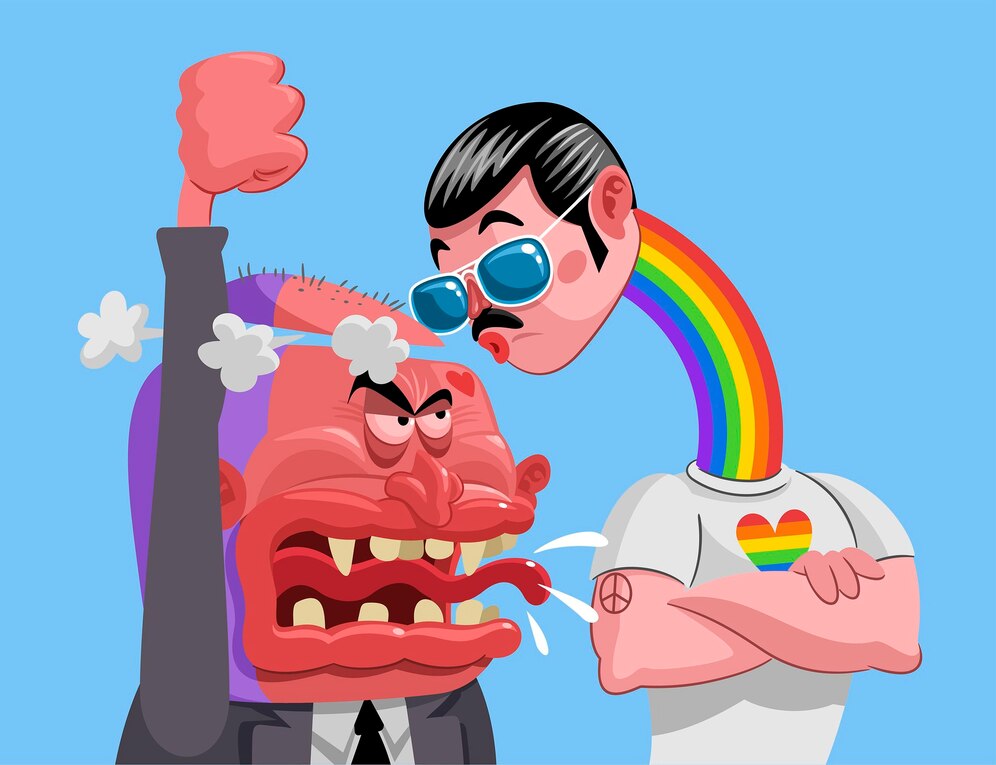
Kenya’s Family Protection Bill, which seeks to introduce further penalties for consensual same-sex relationships, poses a significant threat to the rights, freedoms, and dignity of individuals within the LGBTQ+ community. The bill goes against LGBTQ+ people’s rights to assembly, association, freedom of expression, and privacy.
This proposed legislation not only violates the principles of personal autonomy and privacy but also undermines the progress made in the fight against discrimination and prejudice. By defining homosexuality, same-sex marriages, and other so-called unnatural sexual acts as threats to “public morality” and the family unit, the bill perpetuates harmful stereotypes and fosters discrimination against the LGBTQ+ community. Such provisions go against the spirit of inclusivity, diversity, and respect that a modern society should embrace.
― Aberjhani, Splendid Literarium: A Treasury of Stories, Aphorisms, Poems, and Essays
Have there been any attempts or pushes by the Kenyan government to pass
legislation to further criminalize homosexuality in the country? What has been
the public reception to this and what has/is your organization doing to combat
such a possibility?
The public perception of LGBTQ+ people is slowly changing. As slow as this may
be, it is worth noting that the change in this shifting narrative is being driven by young people i.e Gen Z and younger millennials who have open-minded
conversations both online and offline, where they do not let their opinions be
governed by religion or outdated policies/laws. [G]alck+ is continuously using media both traditional and current – to advocate, teach, and lobby for change in this regard and scrap outdated laws.
Our work both on and off social media is heavily driven by our endeavor to teach and help people, learn, unlearn, and relearn what it means to be human, and teach people that LGBTQ+ individuals are normal people regardless of what they identify as or how they love, and love is love at the end of the day! Period!!
Over the last three years, several LGBTQIA+ individuals have been brutally sexually
assaulted and/or murdered in Kenya. These killings have even been covered by
international media. To what extent do these brutal murders highlight the plight
of LGBTQIA+ individuals in Kenya?
The brutal murders of LGBTQ+ individuals in Kenya over the last three years,
including Erica Chandra in 2021, Joash Mosoti in 2021, Sheila Lumumba in 2022, and
Edwin Chiloba in 2023, have brought to light the severe plight faced by queer
individuals in the country.
The manner in which these deaths were reported, often in a callous or sensationalized manner, further underscores the challenges faced by LGBTQ+
individuals in accessing justice and receiving dignified treatment even in death.
These murders serve as stark reminders of the systemic discrimination and hostility that LGBTQ+ individuals encounter in all facets of life, including within communities, institutions, and the media.
Non-binary lesbian Sheila Lumumba’s murder captured Kenya and the world’s
attention in its level of barbarity. And recently, a judgment was passed after a
murder trial. What are the details of the judgment and was this judgement
satisfactory?
December 19, 2023, marked a significant moment in our quest for justice for
Sheila Lumumba at the Nyeri High Court. The presiding judge delivered a sentence
of 30 years to Billington Wambui Mwathi. This came as a disappointment as the
sentence fell tragically short of the justice Sheila deserves and the severity of the
crimes committed.
Sheila Lumumba’s murder on April 17, 2022, represented not only a heinous act of violence against an individual but also an attack on the dignity and safety of the LGBTIQ+ community. The leniency of this sentence sends a disconcerting message regarding the value placed on the lives of LGBTIQ+ individuals in our society.
For the full statement go here.
Read More:
- Rights Bulwark: Int’s Campaigners, Organizations Brace for Second Trump Term
- Drinking Ourselves to Death: Alcoholism and the Queer Community
- Pride Flags and Black Eyes: Intimate Partner Violence in Queer Relationships
- Hiding in Plain Sight: What We Have Missed About State-Sponsored Homophobia
- Justice Denied: Steven Kabuye Remains Committed to Human Rights Fight Months After Horrific Attack
Gay activist and fashion icon Edwin Kiprotich Chiloba’s harrowing murder also
made the news. What, if any, are the updates on the process to seek justice for his
murder?
The case is currently still in court, however, the perpetrators are in jail as we speak. More info to follow soon as the case is still hovering in the court.
Cis women and Trans women alike have been victims of fatal violence and
brutality in Kenya. What are some of the factors that lead to this overall lack of
safety for Cis and Trans women alike?
Misogyny is the main perpetrator of any act of violence towards women and women in all their diversity; by this I mean trans and cis women alike. Every form of violence is directly linked to misogyny and, in our case misogynoir.
How has galck+ participated in the ongoing anti-femicide campaign going on in
Kenya? How do the issues of gender-based violence also intersect with gender
and sexual minority rights and safety concerns?
[G]alck+ has been actively participating in the ongoing anti-femicide campaign in
Kenya by advocating for the protection and safety of LBQ (lesbian, bisexual, and
queer) women. [G]alck+ recognizes the intersecting issues of GBV and gender and
sexual minority rights. We have been working to raise awareness about the specific challenges faced by LBQ women, who often experience violence and discrimination at the intersection of their being i.e. sexual orientation and gender identity.
At galck+ we understand that issues of GBV intersect with broader concerns about LGBTQ+ rights and safety. Queer individuals, particularly trans and gender-nonconforming people, are also vulnerable to violence and discrimination based on their gender identity and expression. We work to address these intersecting issues by advocating for comprehensive anti-violence policies and programs that protect all members of the LGBTQ+ community.
Finally, we play a crucial role in the ongoing anti-femicide campaign in Kenya by
highlighting the unique challenges faced by LBQ women and advocating for their
inclusion and protection in efforts to address gender-based violence. We also
recognize the intersectionality of GBV with LGBTQ+ rights and work to ensure that
all individuals are protected and supported regardless of their gender identity or
sexual orientation.
― T. Kingfisher, Nettle & Bone
Edward Mutebi, founder of Let’s Walk Uganda, while in conversation, lamented
the conditions of Ugandan refugees on condition of sexual orientation and
gender identity in Kenya. Their plight has also been covered by international
media outlets as deplorable, as many are denied the right to register as refugees
if they identify as LGBTQIA+. Is your organization aware of this? How is it involved
in finding a solution to this growing problem?
Unfortunately, our work mandate does not allow us to implement LGBTQ+ refugee
programming as we are a national umbrella organization whose mandate only rests within the borders of the country. We, however, partner with several organizations internationally that work with refugees in Kenya, that is, HIAS and ORAM.
There are many LGBTQIA+ Kenyans abroad who fear returning home for fear of
extortion or violence. What would you say to assuage their concerns?
I would definitely want to highlight the following to ease people’s concerns in this
regard;
- We have legal protections as LGBTQ+ Kenyans!
- We have countless support systems here; you won’t be alone and you will
always find your tribe. - We have numerous safety protocols for LGBTQ+ people continuously being
put in place to protect LGBTQ+ persons here.
Parting shot?
Regardless of the rise of the anti-gender and anti-LGBTQ+ rhetoric in not only Kenya but the African continent, LGBTQ+ persons as well as organizations are showing resilience. We are here alive, visibility queer, and we will continue advocating and amplifying LGBTQ+ voices in not only Kenya but the whole region because none of us is free until all of us are free.
Photos: Courtesy of galck+, Unsplash, Designed by Freepik
 Piquing Duck