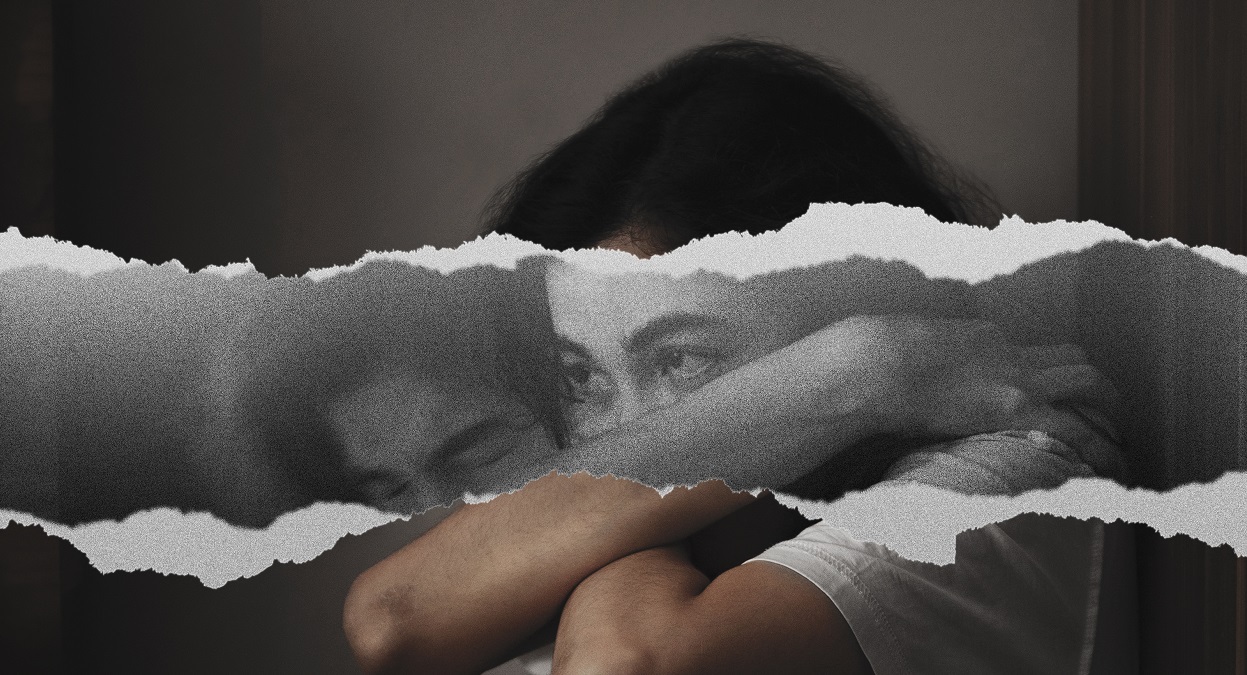
March 8 marked International Women’s Day, and this year’s international celebrations renewed calls for the protection of women and girls globally. With two raging wars in Ukraine and Palestine, and a rise in incidents of intimate partner violence, as well as pinching economic pressure more acutely felt by women globally, women are under increasing attack. While the second joint United Nations Office of Drugs and Crime (UNODC) and UN Women global research brief on the gender-related killings of women and girls noted that 2022 saw the highest number of femicides recorded over the last 20 years, 2023 brought yet more harrowing instances of brutal killings of women.
And as the world marked International Women’s Day, an ever-growing rift between Trans women and Cis women became even more pronounced. One of the most well-known Trans women in the world, Dylan Mulvaney, came under fire for sharing her Women’s Day post in which international pop star Lady Gaga appeared. In response to the overwhelming hate, Gaga came out in support of Mulvaney, noting “it is not surprising given the immense work that it’s obvious we still have to do as a society to make room for transgender lives to be cherished and upheld by us.”
The seemingly running turf war between TERFS and Trans women and their allies, however, allows for an onslaught of both Cis and Trans women by a largely misogynistic and transphobic society. These sentiments do not often exist in a vacuum. Instances of Cis women being brutally attacked or even murdered when mistaken for being Trans, or of Trans women who have met equally harrowing fates because the assailant was unaware of their Trans identity have made many a news cycle globally.
Numbers Don’t Lie
Statistics show that acts of gender-based violence, and acts of violence motivated by homophobia, transphobia, or bi-phobia are closely connected. Countries that have registered an increase in homophobic attacks have also registered a rise in intimate partner and gender-based violence against cis-women and a rise in Femicide rates. Among the top 10 countries according to the World Population Review Femicide Rates by Country 2024 report were Central African Republic at 10.60 per 100,000 women, Jamaica at 9.30, South Africa at 9.00, Botswana at 7.60, Trinidad and Tobago at 7.00, and Namibia at 6.80.
Jamaica and Trinidad and Tobago also feature high rates of homophobia and transphobia, while in Namibia, conservative legislators have been fomenting homophobic sentiments in the recent past, resulting in the brutal attack of Trans woman Stay-C, who was left in critical condition. Many of the countries featured in the top 30 on the Femicide rates data list are predominantly in Africa, Latin America, and Eastern Europe, though the US holds joint 31st place with Bolivia at 2.90, sandwiched between Iraq at 3.00 and Puerto Rico at 2.80.
― Pénélope Bagieu, Brazen: Rebel Ladies Who Rocked the World
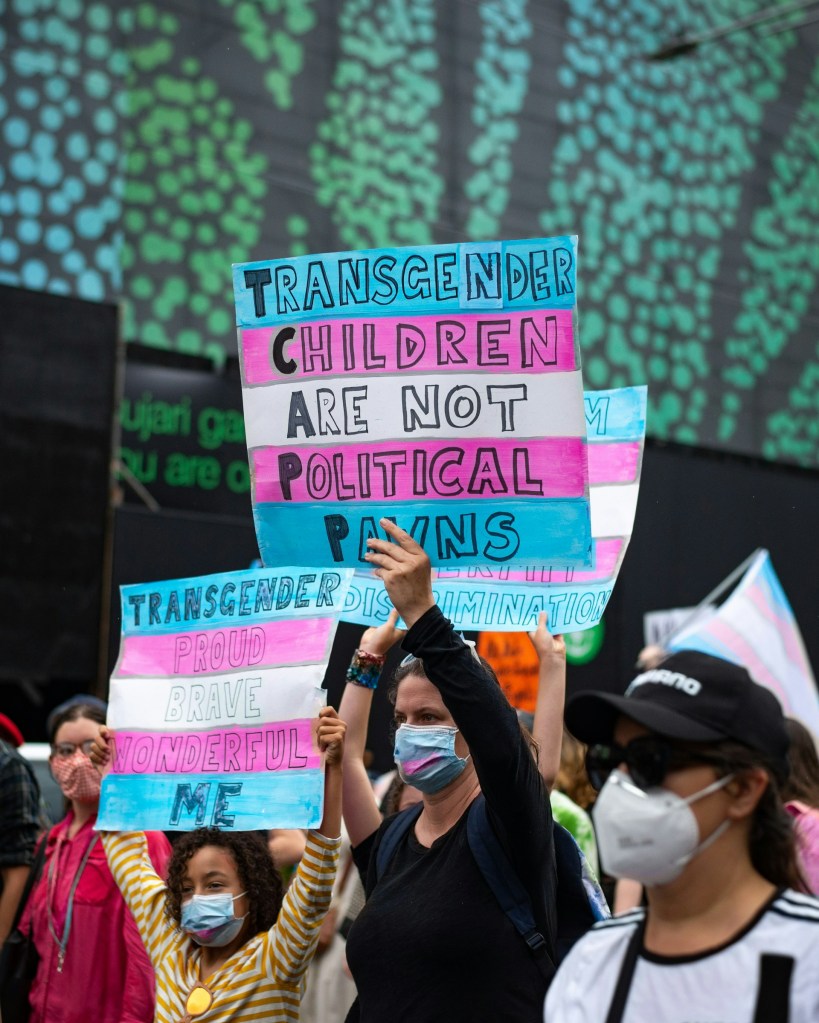
The US’ high placement on this list is not surprising, considering factors such as the prevalence of gun violence in the country, coupled with a surge in misogyny, homophobia, transphobia, xenophobia, and racism couched as “traditional values,” which has led to a war of the sexes. American women are now grappling with the repealing of Abortion rights by the US Supreme Court, while the American Right has used Trans healthcare as a wedge issue, galvanizing support for the banning of gender-affirming care, and the ostensible outing of Trans minors. Parents of Trans children who attempt to secure gender-affirming care for their children also face arrest and prosecution in some American states.
There is also an undeniable correlation between the rise in popularity of American MAGA-style conservatism characterized by the eschewing of the “modern” and the increase in popularity of similar sentiments the world over. Countries across Europe and South America are welcoming Trumpian politicians who use identity politics and gender-war talking points to gain support. And with such leaders come more overt forms of discrimination and intolerance, leading to violence against, and the murder of women and LGBT individuals.
Read More:
- Rights Bulwark: Int’s Campaigners, Organizations Brace for Second Trump Term
- Drinking Ourselves to Death: Alcoholism and the Queer Community
- Pride Flags and Black Eyes: Intimate Partner Violence in Queer Relationships
- Hiding in Plain Sight: What We Have Missed About State-Sponsored Homophobia
- Justice Denied: Steven Kabuye Remains Committed to Human Rights Fight Months After Horrific Attack
Left Exposed
The global COVID-19 pandemic set back hard-won gains in gender and sexual minority advocacy across the world, as marginalized groups were made more vulnerable by the unpredictable nature of the period. Data show that more women than men left work to be their children’s primary caregivers, effectively becoming financially dependent on their male partners, while more LGBT-identified individuals and cis women lost their jobs or were laid off compared to cis straight men.
Both these pandemic-related shifts in the job market created financial and social precarities for groups that are otherwise marginalized or disadvantaged, and lack much support in times of crisis. Because of this, many LGBT youth turned to sex work while others were rendered homeless as they couldn’t afford skyrocketing rents. Many were also not prioritized in government-issued assistance which targeted cis-hetero families with children.
States of homelessness and engaging in sex work left many LGBT individuals vulnerable to exploitation and violence, which proved fatal in many instances. Countries like the US, for instance, have seen a sharp increase in Transfemicide over the last four years, spurred on by increased homophobic sentiments amid an anti-woke movement boom. Trans women of color, and especially Black Trans women were murdered at disproportionately higher rates than other races, which some believe is tied to social inequalities that disproportionately affect Black POCs more than any other demographic in the US.
― Gavin de Becker, The Gift of Fear: Survival Signals That Protect Us from Violence
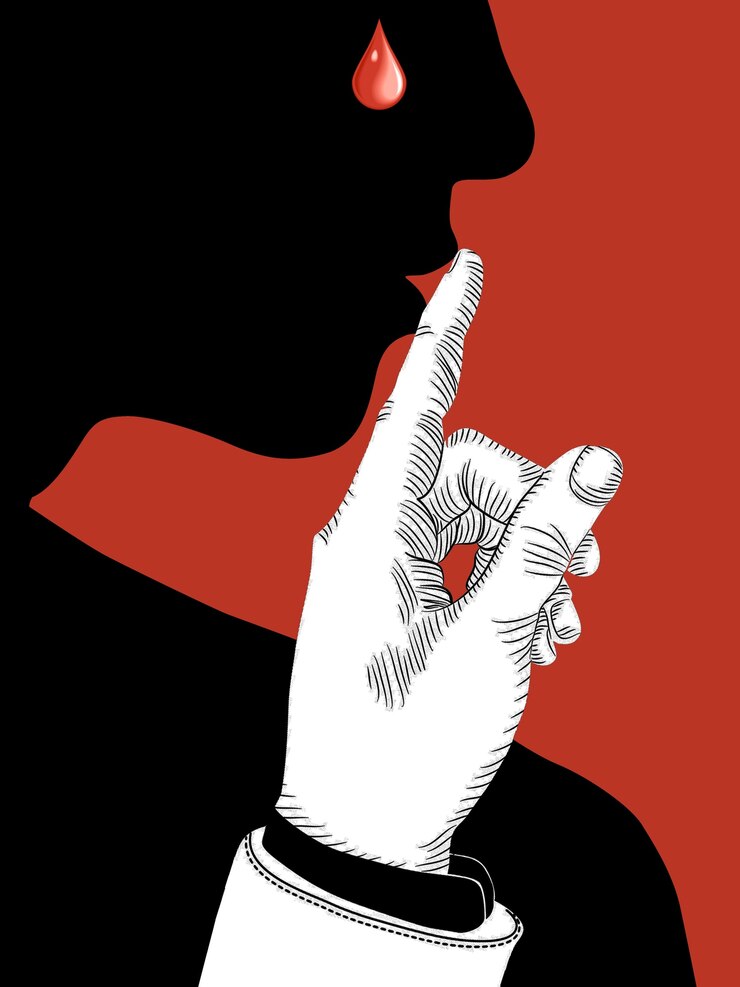
Likewise, in Europe, during the pandemic, similar violence toward the same cohort was recorded, as Trans women and Trans sex workers, who are often Black or migrants often turn to sex work to earn a living, were attacked and some were killed. According to the Trans Murder Monitoring Report, 96 percent of all reported victims were Trans women, and of those 65 percent were racialized. Also according to the report, half of all victims were known to be sex workers. “Most cases continue to go un-reported and, when reported, receive very little attention,” noted an article published by ILGA EUROPE, highlighting the murders of Sabrina Houston and Cristina Blackstar, Black migrant Trans women who were stabbed to death in their own homes in early 2022.
On the cusp of the Global North and the Global South is Turkey, home of the 2011 Istanbul Convention adopted by the Council of Europe’s Committee of Ministers. The Convention was enacted with an aim to combat and prevent violence against women, by recognizing women’s experiences of gender-based violence; responding to multiple forms of violence against women including psychological violence, stalking, and female genital mutilation; ensuring the safety and empowerment of all women and girls in all their diversity; and employ monitoring mechanisms to identify trends and challenges related to gender-based violence. “
As an example of expanding authoritarian politics characterized by a war against human rights issues and a return to “traditional family values,” Turkey not only withdrew from the very convention named after its capital, but has also seen an increase in intimate partner violence, femicides, homophobic attacks, and Transfemicide. The country that saw demonstrators take to the streets after the murder and immolation of 22-year-old Hande Kader, a Trans rights activist and sex worker, is now under fire for increased crackdowns on LGBTQIA+ activities, including mass arrests at various 2023 Pride events, and downplaying the issue of domestic violence in the country.
Language also Matters
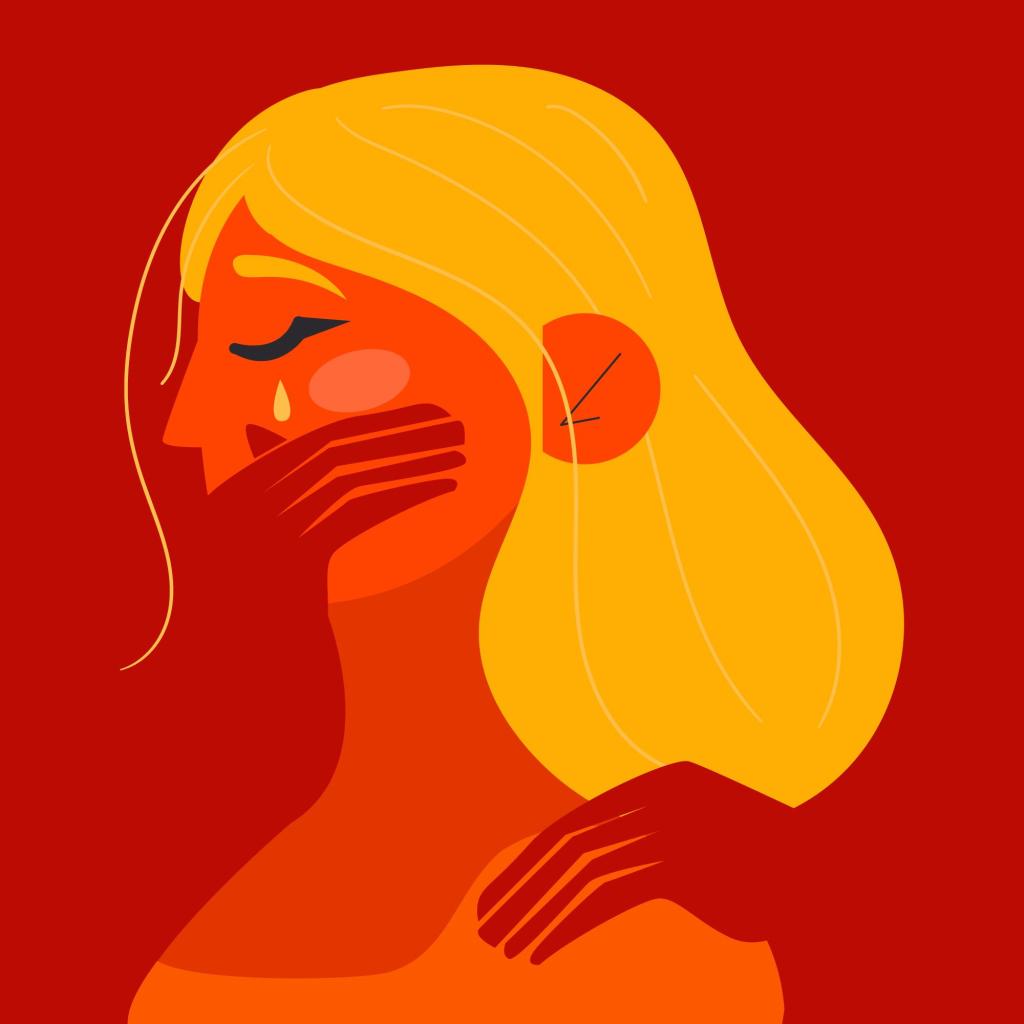
Couched in discussions regarding gender-based violence and Femicide are themes of victim culpability and female inviolability. The classic Madonna-whore complex is displayed in how such violence and killings are framed, qualifying the victims as either the image of female propriety and therefore undeserving of such a fate, or as an agent provocateur whose actions either directly or indirectly culminated in an unfortunate (but rightly deserved) reaction.
Economist and author Nick Papandreou, in an article for Business File, writes: “Although the press is generally accurate in its presentation of the facts, in some cases major news outlets seem to perpetuate the very stereotypes we are supposed to fight. Just see the chauvinistic nature of cultural terms used to describe the murders. About the most recent killing… TV commentators pointed out that ‘she was such a good girl, she loved everyone, she was so nice!’ As if because of her niceness, his [the murderer] actions are even more inexplicable. As if there is any excuse for killing a woman, especially not-nice-ones!”
― Abigail Van Buren
Papandreou’s article titled “Femicide: a Pandemic” also highlights cultural factors that have led to an increase in Femicide rates in Greece, along with other Western European countries calling for vigilance over the very language used to frame such discussions. A prevailing culture of machismo, and a belief in the inherent subservient nature of women, both punitive against women who wish to exercise their agency, are shared among countries with the highest rates of Femicide.
Along with such internal framings of discussions surrounding victims of gender-based violence and Femicide, is a marked shift in influential forces not only amplifying misogynistic ideas that lead to gender-based violence but pseudo-cultural framings that claim to push against forms of gender and sexual liberation, including against LGBTQIA+ rights and feminism. The Red Pill movement, “In this context, the redpill refers to men awakening to the reality of male subjugation by women under feminism.” It has spawned the now-ubiquitous “podcast bro” male archetype in Western society characterized by white and male supremacist ideologies that have permeated much of modern society around the world.
The framing of social inequalities and a push for equality as culture war issues to be fought within racial or gender hierarchies, and a longing for the return of fantastical bygone days of bucolic living, have birthed “traditional” idealism of gender roles without recognition of current economic and socio-political realities. Though sidelined by talk of White genocide “which situates Black and brown bodies as an existential threat,” men in the Global South are far more likely to support the social and financial disenfranchisement of women in their countries, especially in African and Asian countries where female empowerment and female education have led to greater financial and social parity between the sexes.
Violence against gender and sexual minorities is reframed as an assertion of and essential to masculinity and its preservation. In the Global South, however, such violence can be couched in religious and cultural language, as a return to the natural and traditional order of things of women being subservient and homosexuals being nonexistent. Against these detrimental social surges, however, have risen movements campaigning for the rights of women and the LGBTQIA+ community. From the mass protests in South Africa and Kenya, to proactive steps taken by Trans individuals in Latin America, the marginalized are fighting back.
In this series titled Double-Edged Sword: How Homophobia and Violence Against Women Coexist, Piquing Duck will explore intersectional movements around the world that seek to combat growing violence against gender and sexual minorities and celebrate the successes gained, however small.
 Piquing Duck
One thought on “Double-Edged Sword: How Homophobia and Violence Against Women Coexist”