
In today’s world (my world), the intersections of identity have never been more complex and crucial to understand. One area of intersectionality that I have focused on is the experience of Black Queer feminism in China and South Africa, which are distinct yet interconnected areas of focus.
These two countries, marked by diverse cultures, histories, and social landscapes, provide a unique lens through which I can explore the challenges and triumphs faced by Black Queer individuals. Let’s delve into the differences and similarities between the two contextually, shedding light on the intricate tapestry of Black Queer feminism in China and South Africa.
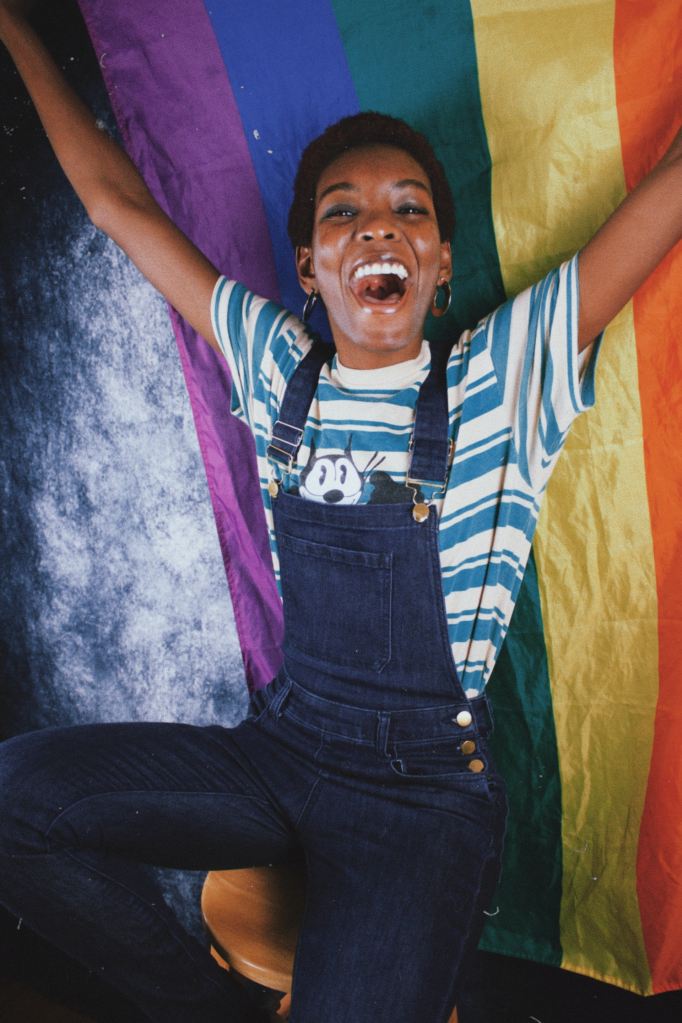
― Charlene Carruthers, Unapologetic: A Black, Queer, and Feminist Mandate for Radical Movements
Worlds Apart
China’s cultural landscape is rich and varied, with a long history of Confucianism and traditional values (from what I know). These values have often perpetuated conservative attitudes toward gender and sexuality. South Africa, on the other hand, boasts a diverse and inclusive culture thanks to its history of overcoming apartheid and embracing multiculturalism. This inclusivity has contributed to a more accepting environment for Black queer feminism.
South Africa stands out as a global leader in LGBTQ+ rights, being the first country in Africa and much of the world to constitutionally enshrine the protection of individuals against discrimination based on sexual orientation. This legal support has empowered Black Queer feminists to advocate for their rights more effectively.
Read More:
- Graphic Dreams: China-Based Artist Reimagines Anime and Queer Beauty
- Silent Scream: Conversations Rarely Had About Suicide & One Activist’s Mission
- Fake-cation – Tracing Illusions of Black, Queer Luxury in China
I will also add that I write from a place of privilege, having dabbled with my queerness in spaces less hostile to Queer bodies, such as my higher education institution (UCT) while living in Cape Town, South Africa, and the spaces I seek and spend time in.
The LGBTQ+ movement in China, however, has faced government censorship and limited opportunities for public activism. Still, there is a growing online presence and a younger generation advocating for change. South Africa has a vibrant LGBTQ+ activist community, with organizations like The Other Foundation and events like Johannesburg Pride promoting visibility and equality for Black Queer individuals.
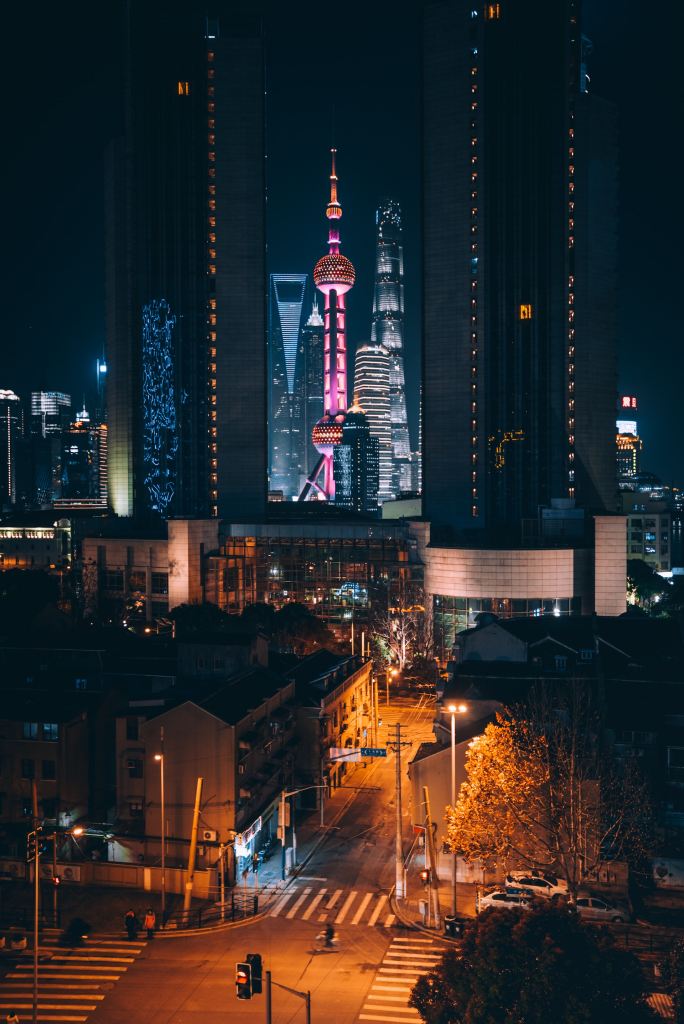
In my years here in Shanghai, I’ve noticed that access to resources, such as sexual health services and mental health support, can be limited due to societal stigma and lack of legal protections. In South Africa, we have a more developed infrastructure for the provision of such resources to the LGBTQ+ community, including health services and support networks.
It Gets Personal
Traditional family values often pressure individuals to conform to Heterosexual norms, making it challenging for Black Queer individuals to come out, similar to the Chinese family system. South Africa’s focus on diversity and inclusivity has led to increased acceptance despite challenges like religion and stigma.
The first people I ever came out to were my friends who happened to be Black and South African. Although they weren’t Queer, we had all been thoroughly exposed to the challenges and the beauty of “Queerhood.” My friends were supportive and treated me very much the same.
They were open to learning about what being Lesbian meant to me and the community. My cousins were the next, and they too were supportive regardless of our strong Christian background. I haven’t come out to my entire family as their deeply rooted religiosity makes them more inclined toward homophobia.
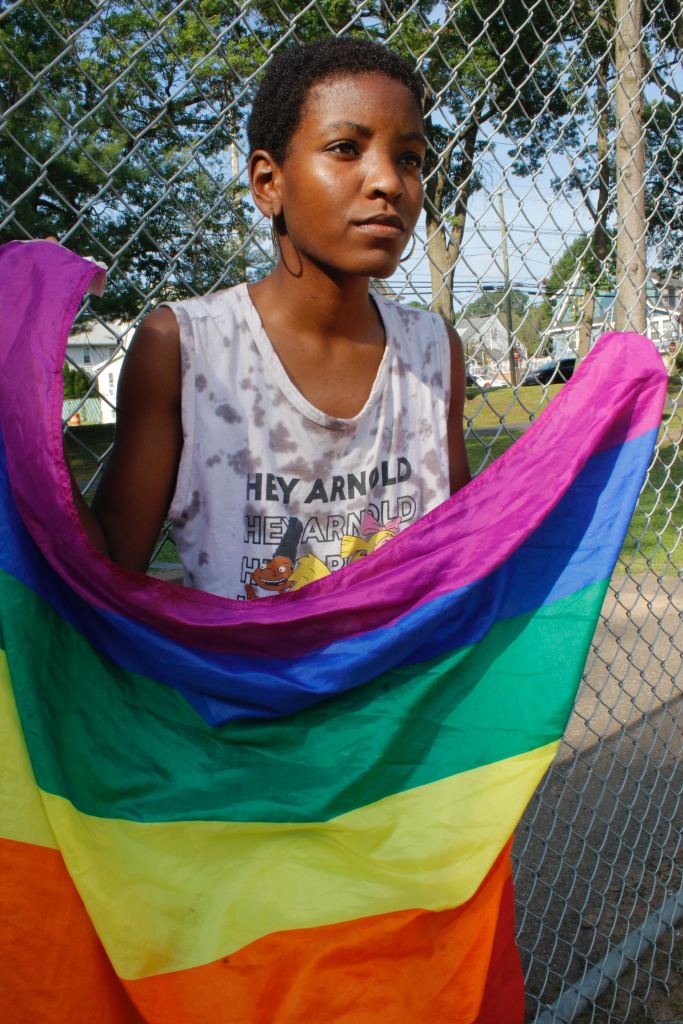
― Charlene Carruthers, Unapologetic: A Black, Queer, and Feminist Mandate for Radical Movements
They strongly believe in the “Adam and Eve” narrative, and I’ve often felt unsafe at the idea of coming out to them. I fear I will no longer have a home. And thus, I’ve opted to keep it to myself because what they don’t know won’t hurt either party. Living in Shanghai has given me a haven. A place I get to call home where I can be Queer in all its glory and not fear being rejected by those I love most- my family.
It is no surprise that I’m currently seeking therapy for the very same concern.
The intersectionality of Black Queer feminism in China and South Africa reveals a complex tapestry of challenges and opportunities. While China grapples with legal and cultural barriers, South Africa’s history of struggle and progress offers a more welcoming environment for Black Queer individuals. It is important to note that I have indeed checked my privilege, as far as different demographics in terms of nationality, race, and even skin color, may not have the same outcome.
Understanding these differences and the broader dynamics at play are essential to advance the cause of Black Queer feminism worldwide. By shedding light on these experiences, we can work toward a more inclusive and equitable future for all.
Photos: Unsplash

 Piquing Duck
2 thoughts on “Navigating Intersectionality: Black Queer Feminism in China and South Africa”