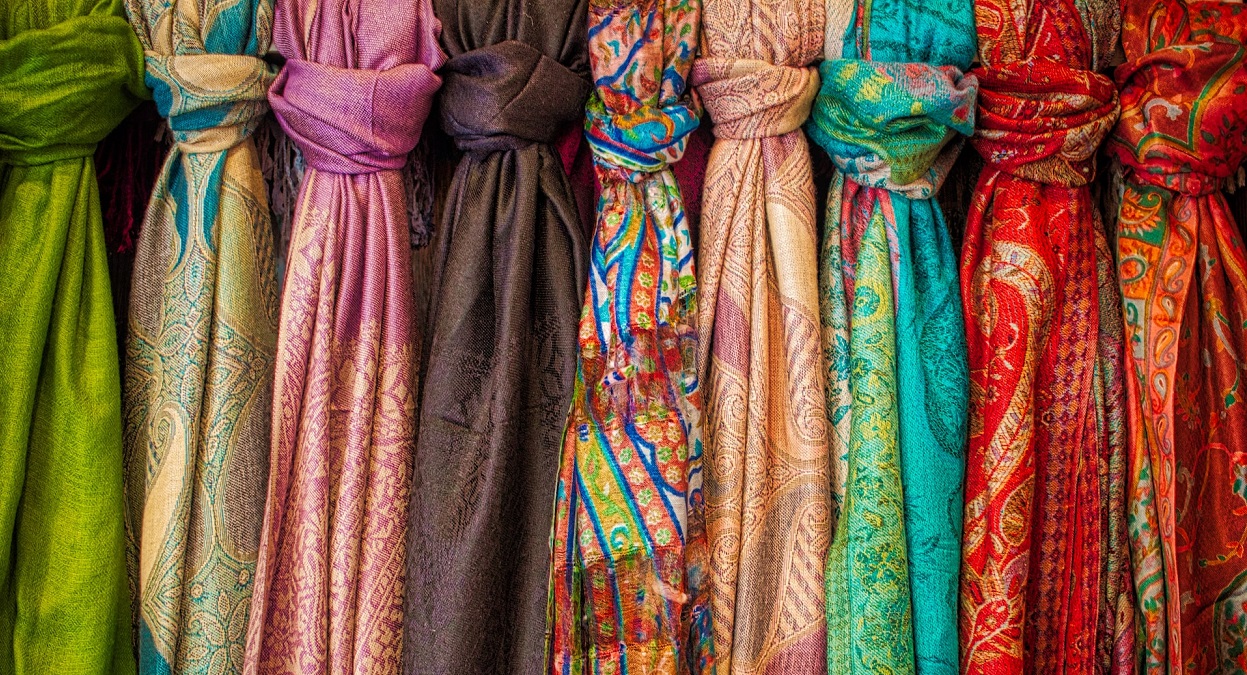
Social media platforms like Instagram, Snapchat, and TikTok have, in recent years, been used as launching pads for up-and-coming personalities in the beauty and fashion world, to not only showcase their skills, but to also launch trends and spark much-needed conversations about inclusivity, representation, and body positivity in an understory that has long been criticized of being exclusionary and fat phobic. In the vast sea of such content on social media and YouTube is a growing wave of stylists, fashion designers, and makeup artists, especially of East Asian descent, who act as portals to East Asian beauty and fashion.
From the Hanfu renaissance and the re-adoption of the Qipao as formal dress in China, to the modernization of the Kimono and lessons on Japanese wardrobe choice etiquette in Japan, these social media tastemakers are working to both preserve centuries-old traditions and reimagine their place in the 21st century and among a younger, more Westernized society.
Thirty-four-year-old Digital Marketer and Content Creator Rohit Bose from the Indian capital of New Delhi is among those leading the charge in India’s dazzling and diverse fashion industry. With his passion for fashion, Bose has amassed a considerable following on Instagram where he transforms otherwise innocuous bolts of fabric into crisp, stylish, authentically Indian statement garments with ease. However, looks can be deceptive, as behind such effortless elegance, is a process that some might take for granted.
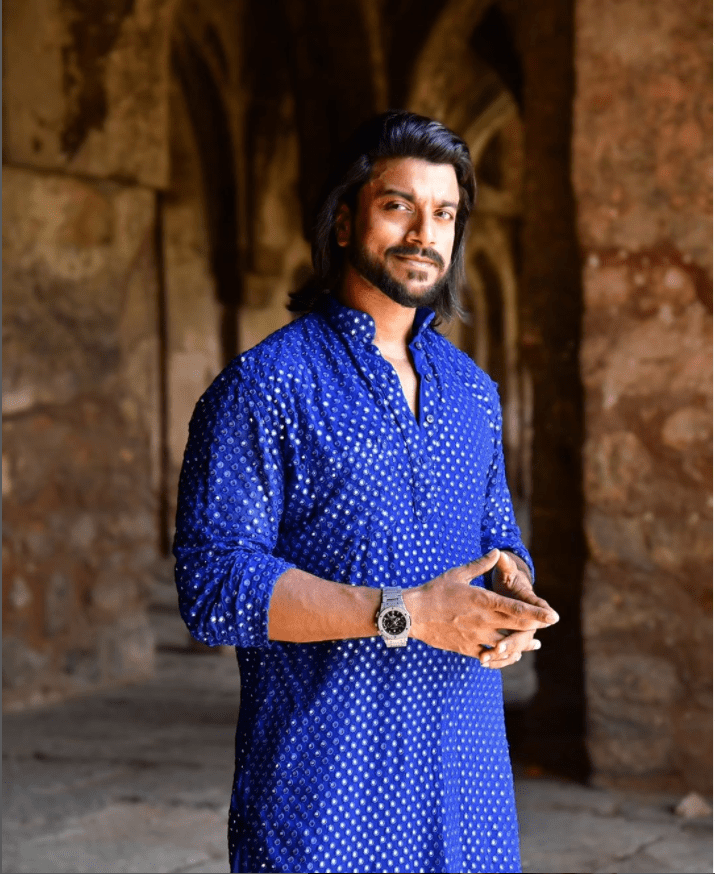
Piquing Duck spoke to Bose to learn more about his social media and real-life journey into the world of fashion and how his efforts might aid in reversing an increasingly Westernized fashion landscape in India.
How did you first get into fashion and how did you initially explore your passion?
I’ve cherished assembling Indian outfits and wearing them out for as long as I can recall. About eight years ago, I began regularly donning dhotis, a traditional Indian garment, although wearing dhotis as everyday attire is gradually declining within Indian culture.
How would you describe your fashion sense?
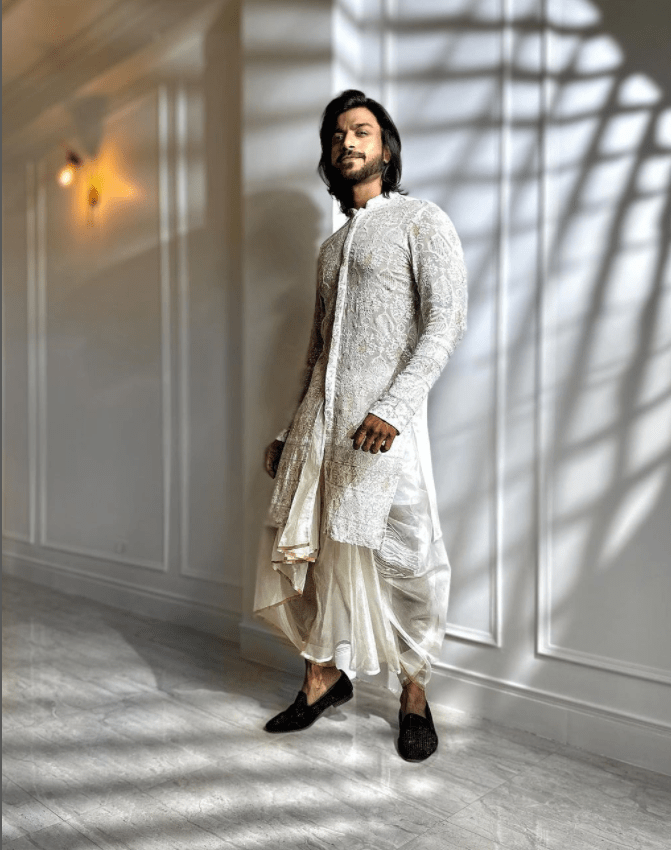
My fashion sense revolves around reviving the fading art of draping dhotis, as I find it to be both beautiful and majestic, and deserving of our embrace. Consequently, I’ve been dedicated to its revival while infusing my personal style with vibrant and colorful elements.
What is your creative process when it comes to design and styling?
Typically, my journey to assembling an Indian outfit commences with a visit to the fabric store. Based on the fabric I discover, I proceed to have it tailored into a kurta which is the top. If I have a particular color in mind, I also arrange for the fabric to be dyed accordingly. Once the kurta is complete, I pair it with a dhoti for the bottom half of the ensemble.
What makes Indian fashion different from Western fashion, or fashion from other regions in the world? Are there similarities between Indian fashion and other forms of fashion from around the world?
Currently, the distinctions between Indian and global fashion are becoming less defined. Although traditional Indian attire, such as sarees, dhotis, dupattas, and turbans, heavily rely on long, unstitched fabrics that require skillful draping. Interestingly, traditional Indian fashion not only sets itself apart globally but also boasts diverse regional styles within each Indian state.
Here are some intriguing parallels I’ve noticed between Indian fashion and styles from other parts of the world: Dhotis can be likened to unstitched variations of harem pants. Kurtas, with their various collar styles, share similarities with longer versions of shirts. Sarees, essentially, are very long wrap-around skirts.
Read More:
- Graphic Dreams: China-Based Artist Reimagines Anime and Queer Beauty
- Art of Authenticity: Indian Painter and Photographer Shares His Coming Out Journey and Artistic Inspiration
- Desirability Politics: The Slow Transformation of “Asian” in Hollywood’s Hierarchy
Who have been your fashion icons, muses, and inspirations from India and the rest of the world?
No single individual has been a sole source of fashion inspiration for me. Instead, I’ve drawn inspiration from various sources in a piecemeal way. I’ve admired certain outfits worn by Indian actor Ranveer Singh and attempted to replicate them. I also hold a genuine appreciation for the creations of designer Faraz Manan. During my upbringing, my mother was my primary fashion influence, and to this day, I continue to consult her regarding my fashion choices.
What, in your opinion, is the future of fashion in India?
The future of fashion in India is poised for exciting developments.
As global awareness of environmental issues grows, the fashion industry in India is likely to focus more on sustainable and eco-friendly practices. I expect an increase in organic fabrics, ethical production, and recycling initiatives.
Indian fashion will continue to blend traditional and modern styles, creating a fusion that appeals to a broad audience. The diversity of India’s culture will remain a significant influence on fashion.
Indian fashion will increasingly leverage technology, from virtual fashion shows to AI-driven customization. E-commerce and online platforms will play a more significant role in reaching consumers.
Indian designers and brands are gaining global recognition. This trend is likely to continue as Indian fashion becomes more influential on the global stage.
Traditional Indian crafts like handloom, embroidery, and block printing are regaining popularity. They’ll play a vital role in future fashion, emphasizing authenticity and uniqueness. That will also support local artisans and craftsmen.
The fashion industry will become more inclusive, with a focus on diverse body types, gender-neutral clothing, and the representation of various cultures and communities.
Social media and influencers will also continue to shape fashion trends and consumer choices.
For someone new to fashion and styling, and is particularly interested in the kinds of pieces you create and style, what are the main staples they should have in their wardrobe to have a good fashion foundation?
If they have their mother’s saree at home, they can easily replicate most of what I do.
Where do you see yourself in 10 years and how do you overcome self-doubt and fear in your chosen line of work?
In a decade, I envision myself happier and more at peace. My goal is to elevate Indian fashion’s popularity and inspire countless individuals.
To conquer the self-doubt, I often have about my creative work, I’ve learned that sharing it with the public is the best remedy. Most times, it’s met with appreciation, dispelling my initial worries about its quality. I remind myself that people today have short attention spans and are constantly scrolling. Even if what I create isn’t exceptional, it’s unlikely to be remembered for long. So, I need to let go of worrying about what others think.
My favorite quote is, “If it’s not happy, it’s not the ending.” This quote instills hope and encourages perseverance. I aspire to remain true to myself and hope that everyone else can do the same, expressing themselves through their choice of attire without criticism or judgment. Together, we can create a more compassionate world.
Photos: Unsplash, Courtesy of Rohit Bose
 Piquing Duck