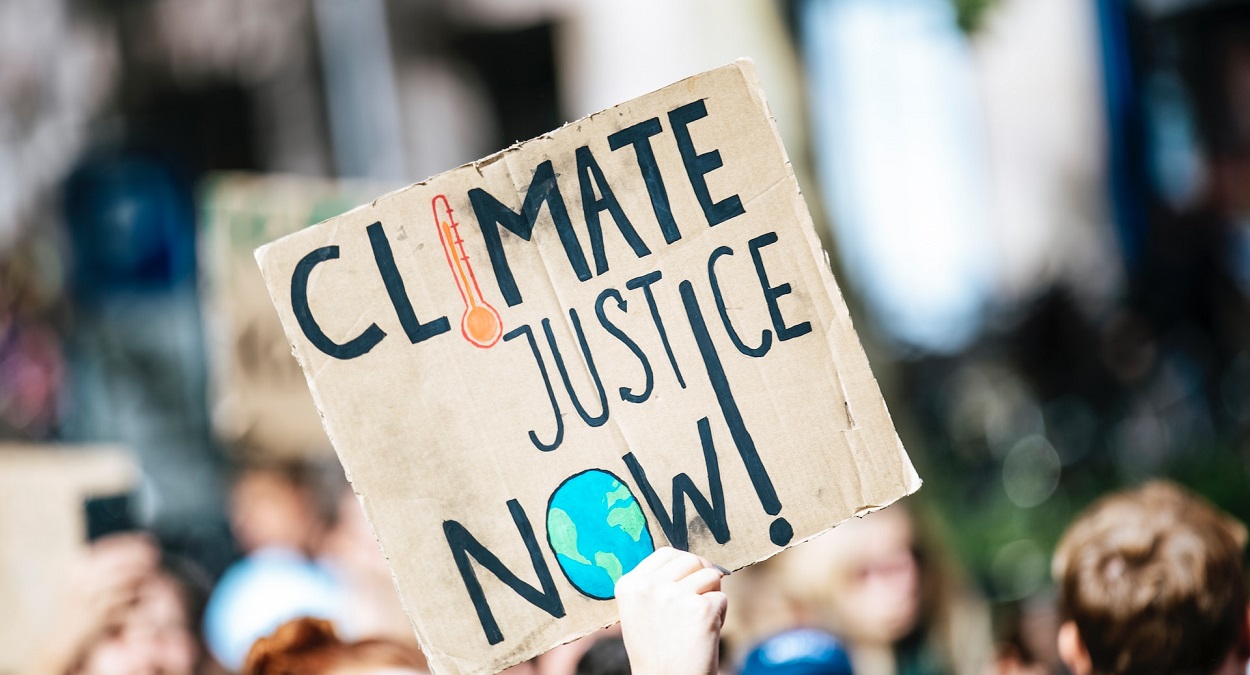
As South East Asia continues to register the highest temperature seen in the region in the recent past, concern continues to grow among regional and world leaders, international organizations, humanitarian organizations, and climate change experts about rising temperatures, not only in the region but around the world, and what such spikes may mean for the future.
Climate change has been a major focus for leading economies in the region, key among them being China, which intends to hit its carbon peak goal by 2030, and carbon neutrality by 2060. The global consensus among climate change experts and global stakeholders is that global warming should be capped at a temperature increase of no more than 1.5 degrees above pre-industrial levels by curtailing greenhouse gas emissions, to avert global environmental catastrophes, but some warn that even this goal is unachievable given current rising temperature rates.
South East Asian countries provide real-time examples of the effects of climate change, including extreme weather phenomena. Rising sea levels have spelled disaster for countries in the region and Pacific Island Countries, some of which risk entirely being submerged under water. Indonesia announced it would move from its capital from Jakarta in the south to Borneo in the north of the country’s archipelago due to rising sea levels. The city of 10 million inhabitants is expected to lose at least a third of its area to the Java Sea by 2050. Many of Jakarta’s residents have abandoned the city to seek higher ground.
Human Face
The human toll exerted by climate change, research has shown, disproportionately affects women along with gender and sexual minorities. Whether through the seemingly slow onset of events like rising sea levels due to global warming or resulting sudden-onset disasters and resultant conflicts, women and girls are made vulnerable to sexual violence, exploitation, and abuse, research has found. Events related to climate change exacerbate the situation in regions like South Asia and in the Pacific region which already have high rates of sexual violence against gender and sexual minorities.
Such dangers are far from a recent occurrence. During the 2004 Asian tsunami and the 2005 earthquake in Kashmir, there was evidence of increased sexual violence and assault recorded. Sudden-onset weather disasters force women to leave their homes, compelling them to seek shelter in emergency encampments where they lack privacy, leaving them susceptible to sexual violence. After Cyclone Sidr in Bangladesh, criminal syndicates forced women and girls into prostitution along the Bangladesh-India border, according to reports.
Read More:
- BL Chronicles: The Birth of a Genre and Intellectual Claims
- Phobia: Spike in Confirmed Mpox Cases Risks a Repeat of COVID Period Social Panic
- All Press is Good Press: Prominent Asian Public Figures and Their Impact on Queer Discourse
Climate change not only puts gender and sexual minorities at risk of sexual assault and violence but also profoundly affects the ability of those facing discrimination to access social justice. In this way, gender and sexual minorities face unique challenges, including a lack of timely or adequate information which would allow them to prepare for and mount appropriate responses to sudden-onset weather disasters due to being socially ostracized, limited access to safe spaces, and precarious employment opportunities predominantly in the informal sector. Same-sex couples are also unlikely to receive equal or any relief support if they are in a country or region where such unions aren’t legally recognized.
Ray of Hope
The global COVID-19 pandemic highlighted just how difficult it is for gender and sexual minorities to receive timely information, care, and support. As with every hardship, however, gender and sexual minorities, especially in countries where they lack representation in political decision-making and legislation, display a large capacity for adaptability thanks to strong social networks through which grassroots-level resilience-building can be done, along with the dissemination of available information.
Workshops organized in Indonesia and the Philippines, both countries facing looming climate change-induced disaster, by groups such as LGBT San Nicolas and Sanggar Seroja, have helped galvanize gender and sexual minorities in both countries in the efforts of climate change awareness, prevention, and readiness.
Through activities such as inclusive mapping, which involves mapping out LGBTQIA+ safe spaces and health facilities where HIV prevention and treatment services are dispensed, and engaging in proactive dialogues with major stakeholders from the government, civil society, and international organizations, such organizations, and grassroots organizers ensure that gender and sexual minorities have a seat at the table in combatting climate change and its effects.
Photos: Unsplash
 Piquing Duck
2 thoughts on “Not a Straight Affair: How Climate Change Affects Gender and Sexual Minorities in S. Asia”