
Recent reporting on the uptick of Mpox infections in the Chinese mainland have been a source of great public concern and sparked fears among the LGBTQIA+ community of being targeted due to the association of the disease’s spread with “homosexual activities”. Stories on the spread of the disease on Chinese social media and news platforms have made the rounds in recent days.
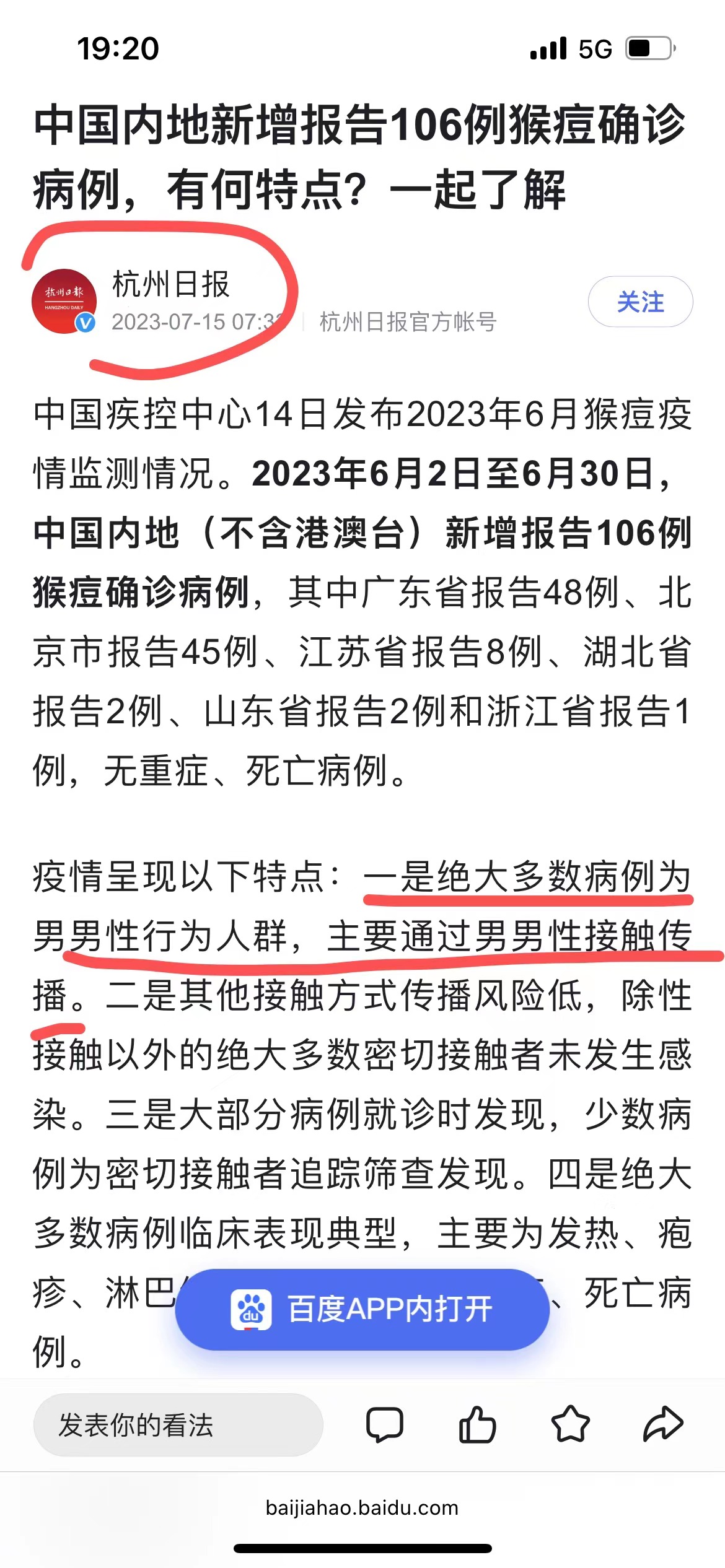
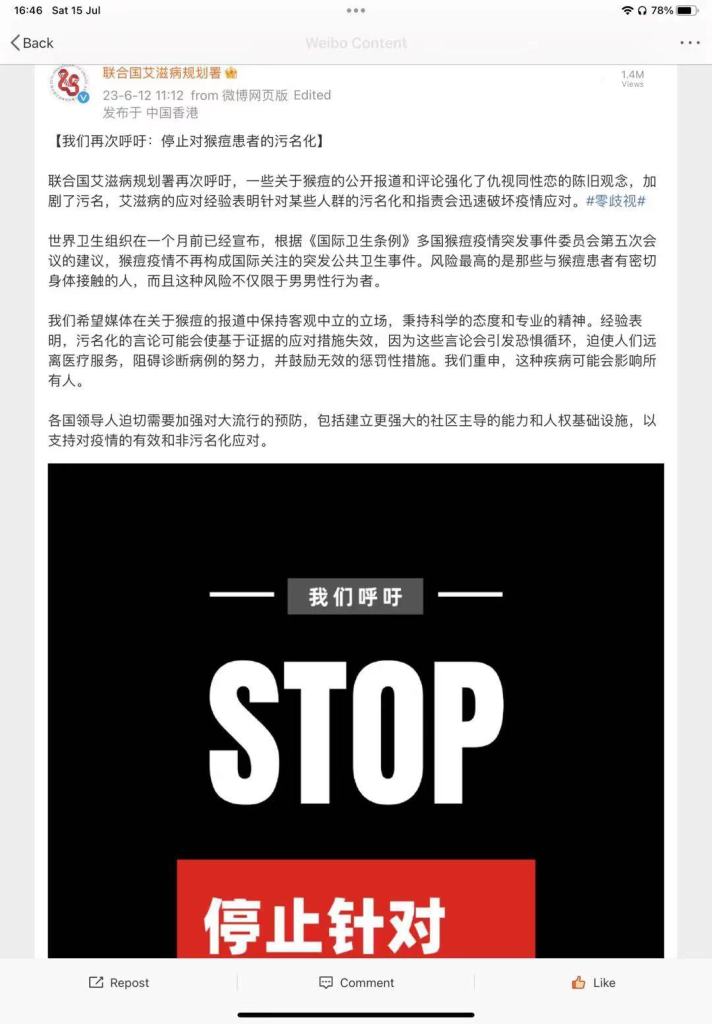
However, Mpox coverage in China has been condemned by international organizations, including the Joint United Nations Programme on HIV/AIDS, which, in a Weibo post warned that some of the public reports and commentary on Mpox reinforce homophobic stereotypes and increase stigma, calling to experience gained from HIV awareness and prevention and how the stigmatization of certain populations only works to undermine epidemic responses.
“We hope that the media will remain objective and neutral in their coverage of Monkeypox, with a scientific attitude and professional spirit. Experience has shown that stigmatized speech can invalidate evidence-based responses by triggering cycles of fear, driving people away from health services, hindering efforts to diagnose cases, and encouraging punitive measures that are ineffective. We reiterate that this disease can affect everyone,” the post went on to say.
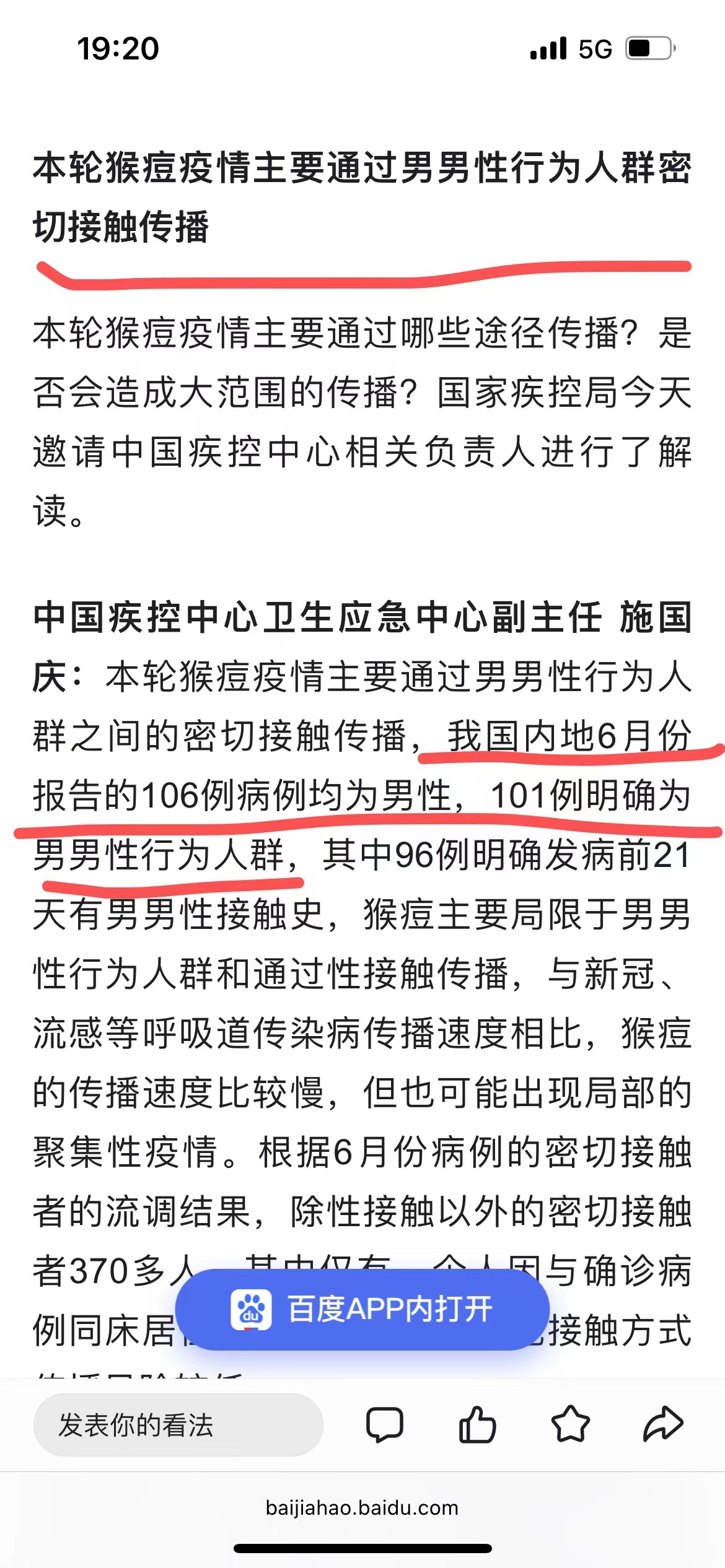
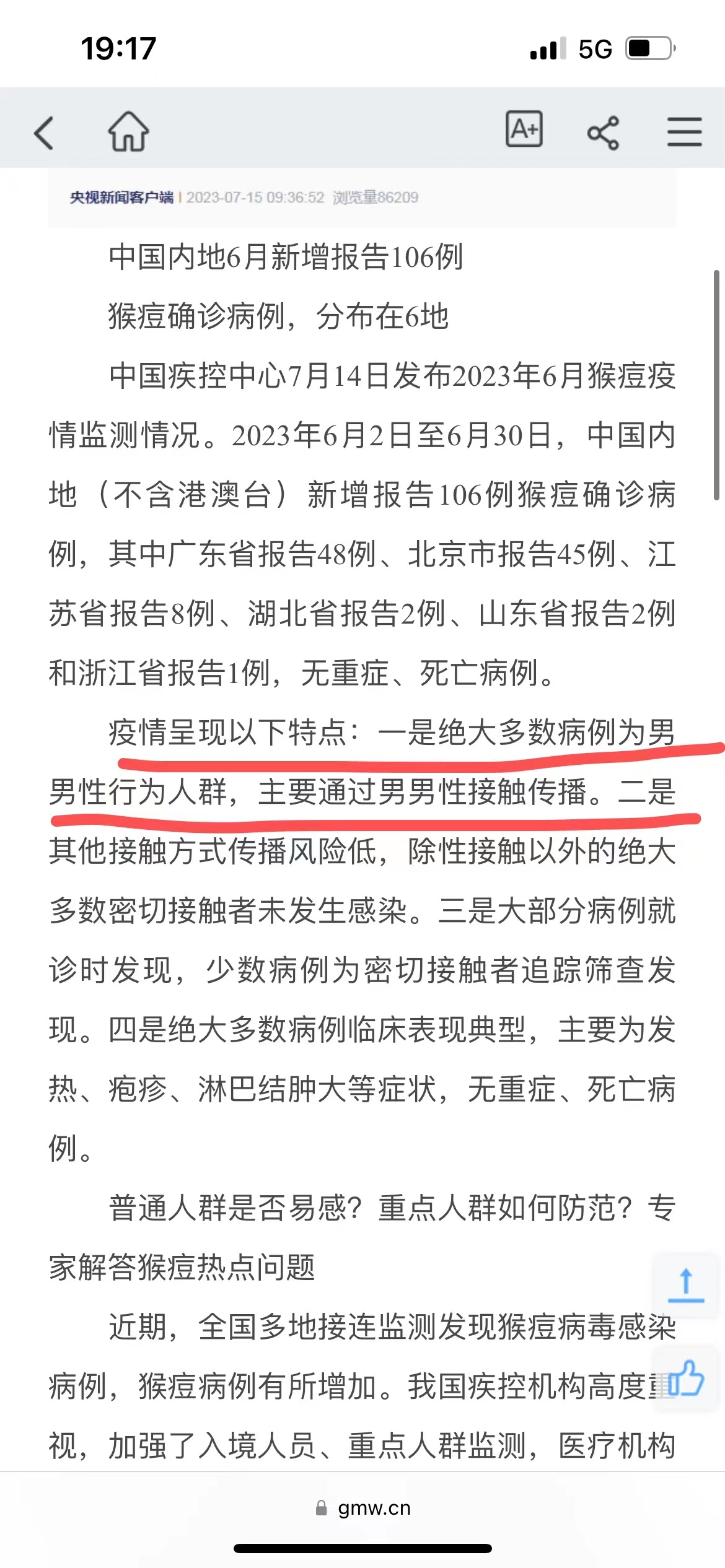
Many in the LGBTQIA+ community in China expressed their displeasure at reporting on the spread of the Mpox by Expat Focus, a WeChat-based news and information page published in English and predominantly aimed at a foreign readership. “The current outbreak of Monkeypox is primarily transmitted through close contact between men who engage in same-sex behavior. Of the 106 cases reported in Chinese mainland in June, all were male, with 101 cases specifically attributed to men who engage in same-sex behavior. Among them, 96 cases had a history of same-sex contact within 21 days before the onset of symptoms. Monkeypox is mainly confined to men who engage in same-sex behavior and is primarily transmitted through sexual contact,” the article stated.
Read More
- All Press is Good Press: Prominent Asian Public Figures and Their Impact on Queer Discourse
- Unity in Diversity: Gay Games to Make Asian Debut in Hong Kong
- Art of Authenticity: Indian Painter and Photographer Shares His Coming Out Journey and Artistic Inspiration
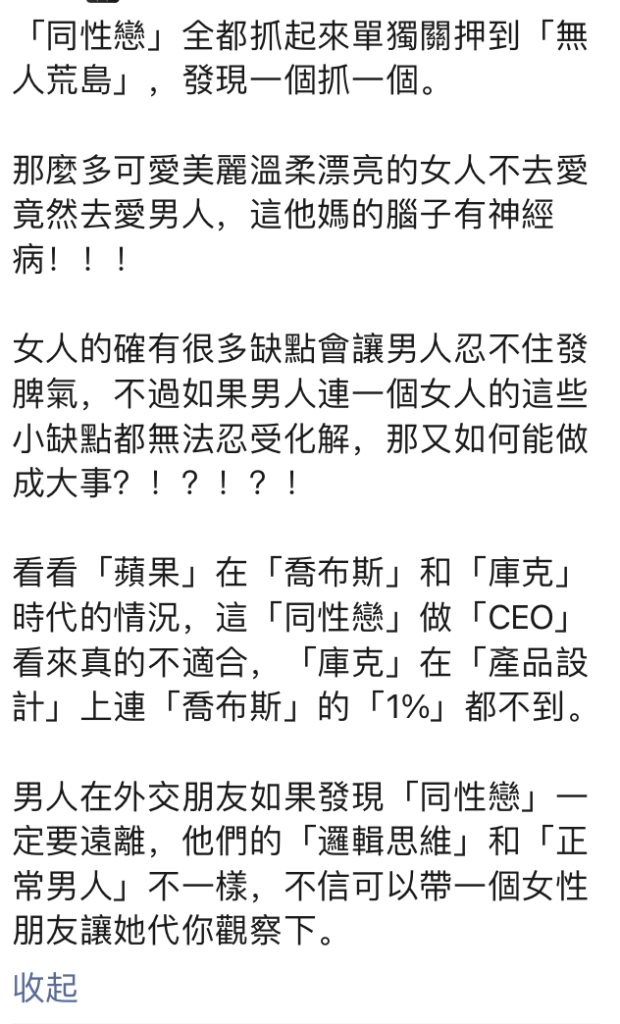
Displeasure at this characterization mainly came from the wording, with some worrying about the implication – only MSM can contract and/transmit the disease – stirring up mistrust of and stigma and homophobia against the LGBTQIA+ community. Following this post, and similar ones on Chinese social media and news site Baidu, Chinese social media platforms have seen an uptick in inflammatory and outright homophobic messages and posts, with members of residential communities, in one WeChat group, being urged to “please pay attention to whether there are Gay tenants …, if there are special groups and confirmed or suspected cases,” and report such groups or cases to the community “in time.”

Chine is still reeling from the aftereffects of a three-year of the COVID-19 pandemic, which not only led to the closure of China’s borders and the curtailing of movement in-country, but also led to the construction of mass quarantine facilities, as well as numerous strict, long-term, city-wide lockdowns, the most famous being the Shanghai lockdown, which lasted for three months. The legacy of the pandemic is a population far wearier of potentially infectious diseases despite the low rate of transmissibility. This, along with the lingering fear of the after-effects of being diagnosed with an infectious disease, as seen during the COVID period, including loss of employment, arbitrary evictions, isolation, and being ostracized from society add to the list of Mpox-associated fear.
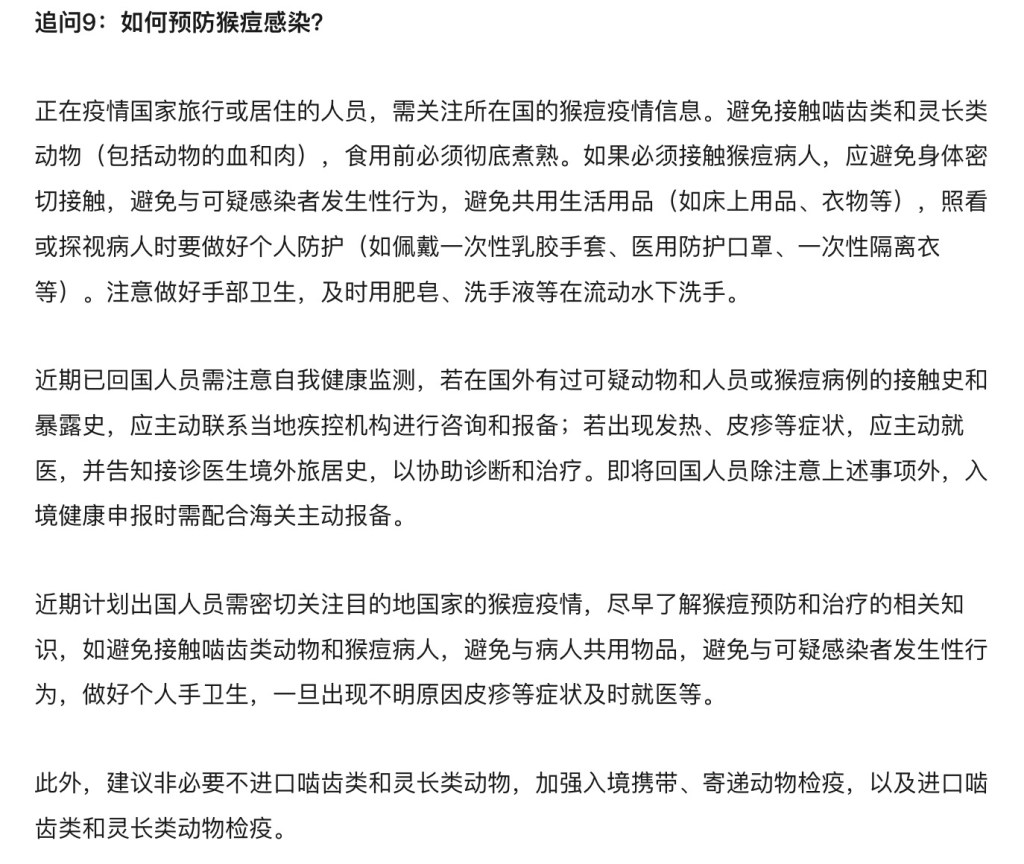
A senior Chinese health official came under fire in September 2022 for recommending that the public avoid skin-to-skin contact with foreigners as a way to prevent the spread of the virus. Wu Zunyou, Chief epidemiologist at the China Centers for Disease Control and Prevention was, on a Weibo post stated, “To prevent possible Monkeypox infection and as part of our healthy lifestyle, it is recommended that 1) you do not have direct skin-to-skin contact with foreigners.” This was after China registered its first known Mpox case in an individual who had arrived in China from abroad.
Though early detection and prevention are the likely keys to reduce the spread of Mpox on the Chinese mainland, as currently the Mpox vaccine is not offered on the Chinese mainland, a general fear of hospitalization and seeking treatment may hamper such efforts. A research paper titled Psychometric evaluation of the Chinese version of fear of hospitalization scale among outpatients: A validation study found that a number of factors preclude patients from seeking timely treatment at the hospital, including a fear of needles and drains.
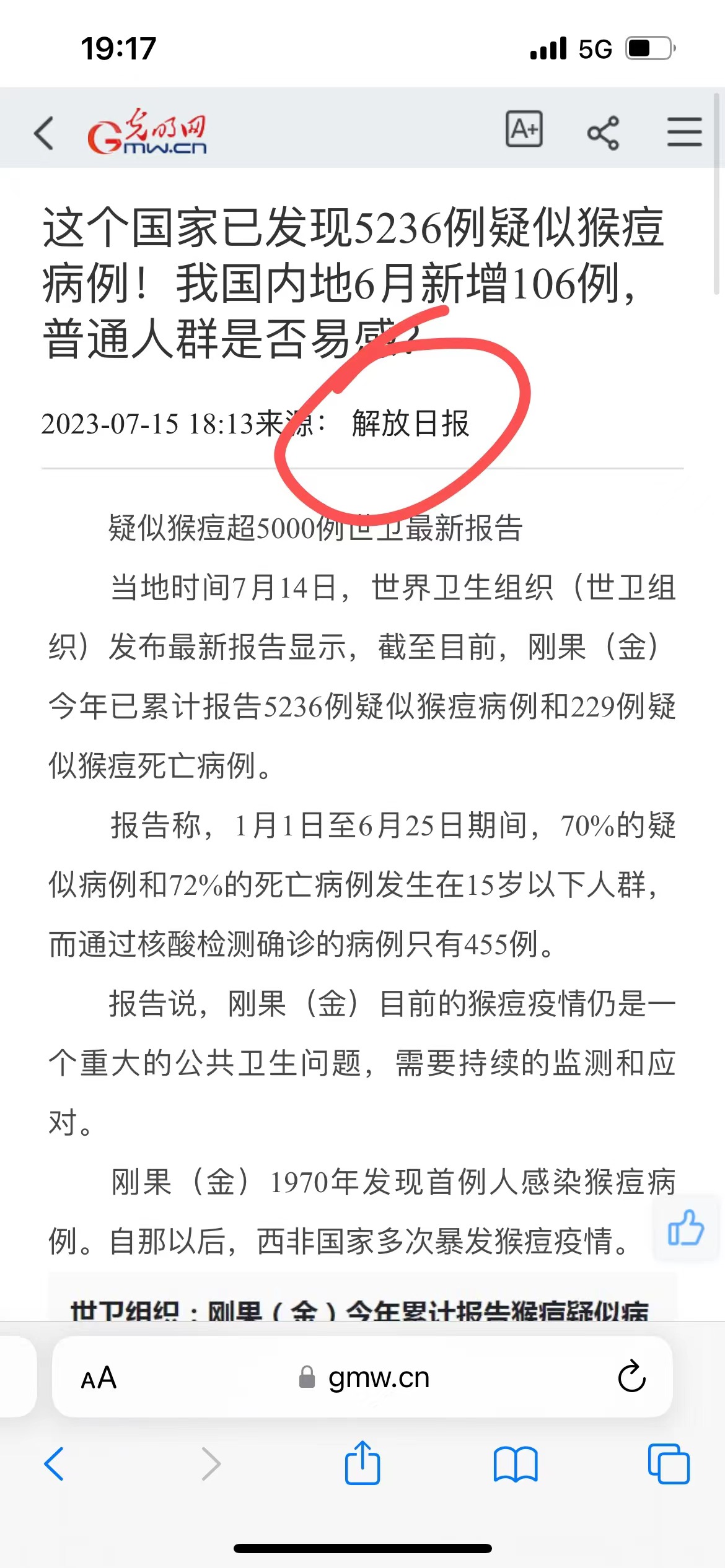
According to a report published by the World Health Organization on May 11, 2023, there were a total of 87,377 laboratory-confirmed cases and a total of 140 Mpox-related deaths, in a total of 111 countries, areas, or territories, with the Chinese mainland reporting a total of 106 new Mpox cases as of June 30, 45 of which were registered in the China’s capital Beijing.
Photos: Screen shots
 Piquing Duck
3 thoughts on “Phobia: Spike in Confirmed Mpox Cases Risks a Repeat of COVID Period Social Panic”