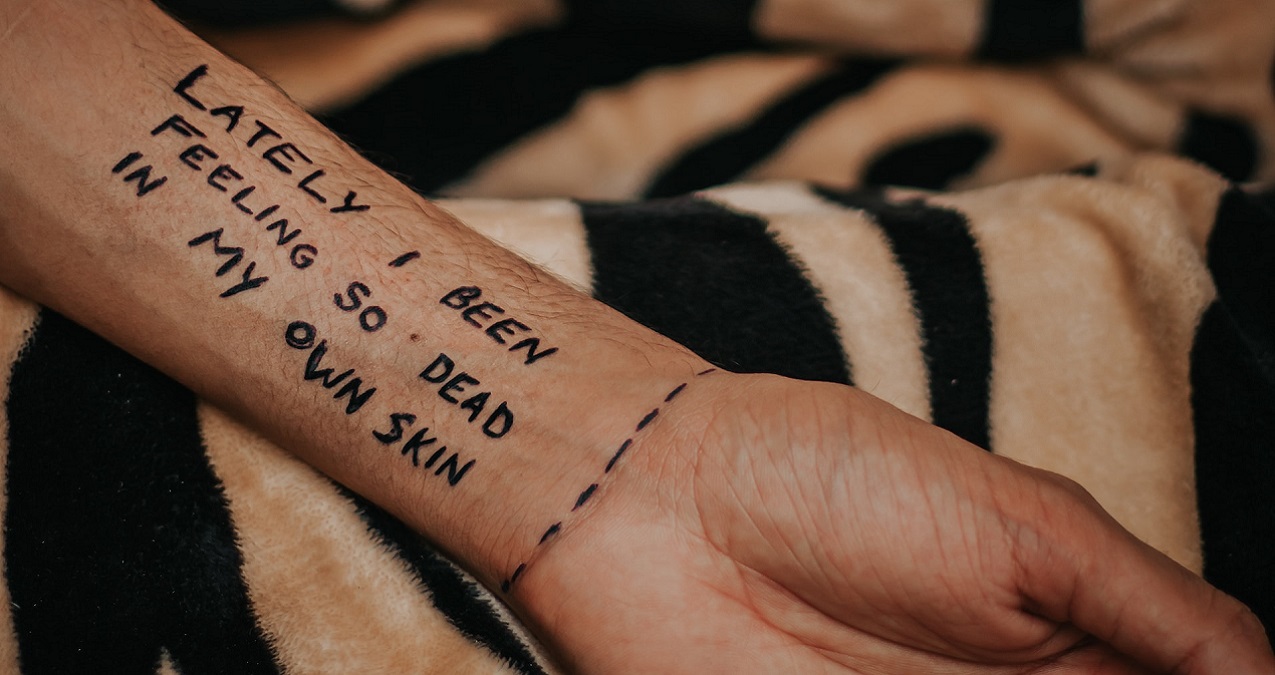
Before proceeding, a disclaimer is in order. I am neither a professional nor an expert in this subject, more a new convert only beginning to grasp the significance of the subject matter through my lived experiences, and those shared with me both privately and publicly.
I, like many in my generation, am only beginning to understand the concept of mental health, and all that is contained therein, especially mental health struggles like depression. Much of society has and still does regard depression as a much-a-do-about-nothing syndrome; a bunch of soft imps congregating in séance-like settings to summon feelings, thoughts, opinions, and ideas that don’t exist in “reality” and are the creation of the infantilized, coddled adult child.
Depression has been seen as a code for those who, far from being unable to cope with life’s challenges, choose not to do the emotional heavy lifting long since expected of adults in all societies throughout human history. Whatever about it being a psychological reaction to unpleasant stimuli, it is a social malaise. Older generations spoke of no depression yet they had it harder, it is said; it is okay to be sad but for heaven’s sake don’t make it a thing!
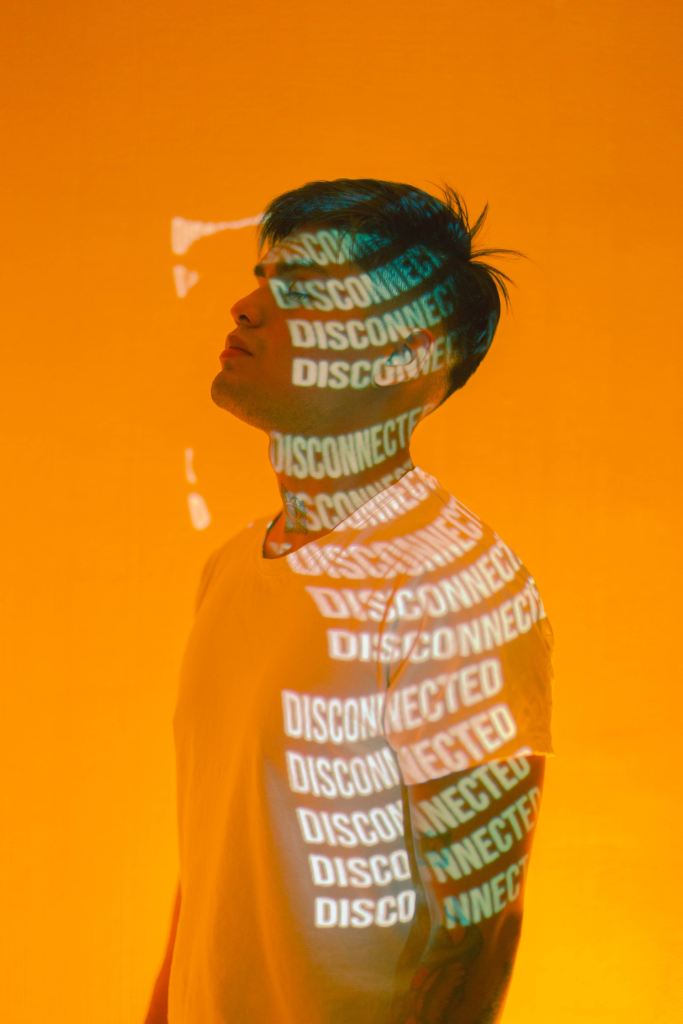
― Laurell K. Hamilton, Mistral’s Kiss
Such talk is also coded in terms of gender and, at times, race, with certain pockets of society standing accused of being haunted by this fabled loch ness monster, perpetually lurking in the murky depths of their emotions and thoughts. While others are hailed as exemplars of a just-get-on-with-it attitude and how everyone might stand to benefit from not “dwelling” on or “indulging” life’s discomforts for too long.
It is easy to say that people who continue to think like this are, at best ignorant and, at worst heartless! Is there not enough literature on mental health from which they can educate themselves? Don’t we all know of a new mother who suffered from post-partum depression? Did we not hear of that report that said that men who don’t express their feelings and instead keep them bottled up are likely to reduce their life expectancy by as much as five years? And what of all the teens going on murderous rampages before committing suicide? Are all these cases just social flukes?
But what can truly be said about such people; those who refuse to engage with the reality of the human duality of resiliency and fragility? What can be said of those who choose to disavow the “human condition” as poets from ages gone would have called it? If we can agree that such things are truly a part of the human condition, of accepting vulnerability not only in others but in ourselves, then might it also be that these seemingly heartless people are afraid of the image reflected back at them by looking at the suffering of others, and would much rather look at the shadow of culture, tradition, denial, escapism, gender norms, and religious edicts cast in the light of overwhelming evidence?
Conversely, are there those among us who glorify the idea of suffering from mental illness, have created cults of personality and identity, use self-diagnoses and labels to sort through people in their lives as one would employ an astrology chart to do the same, believe that it is imperative for everyone to seek out “therapy,” and how these eccentric characters’ takeover of mental health conversations has not only transformed the perception of mental health but also affects those truly in need of mental health assistance and how they access related services?
Dark Night of the Soul
According to the American Psychiatric Association, depression is defined as “a common and serious medical illness that negatively affects how you feel, the way you think and how you act,” and is characterized by “feelings of sadness and/or a loss of interest in activities you once enjoyed. It can lead to a variety of emotional and physical problems and can decrease your ability to function at work and at home.” It is only differentiated from the clinical variety by the severity of symptoms that might require short- or long-term hospitalization.
Like any night, it starts with the inconspicuous setting of the sun. Dusk, for soon-to-be depression sufferers looks as different as the length of the nights they are to face. It can be a long and drawn-out setting on all that brings you joy like a high summer evening or as abrupt a change as the sudden disappearance of light in mid-winter. Mine was drawn out and it took years before I knew that I was building up to a crescendo of emotions I never knew I had, and didn’t know how to face.
As soon as I arrived in China, two things happened; I suddenly suffered from word salad. Not severe enough to warrant any concern from anyone around me, but I increasingly found it difficult to put my thoughts into words. And the effort of doing just that left me drained so I would opt out of lengthy or deep conversations. The second was a bout of psoriasis. For someone who is seasoned in skincare and has only ever suffered from a minor acne flare-up in high school, this particular symptom was especially disconcerting. No ointment seemed to work, and neither did the surrender gems of effective folk remedies.
“But suppose you get the unicorn of therapists, then what? The other side of “doing the work” as it is so fondly put, is that it is ACTUAL work. For starters, it is a time and financial commitment, and if you are an overthinker, then, my friend, you my friend are shunted. “
Most of the information I found on both my maladies, however, pointed back to one culprit- stress. But of course, it was stress! I’d just moved to a new country, was learning a new language that was far more challenging than I had anticipated, and it had suddenly hit me that I was not in China as a tourist but was here to create a life of sorts. Yes, I was stressed, but neither going home nor abandoning my studies was an option. What do I do WebMD?
That’s when I stumbled upon biohacking, which, for laymen, is the use of particular foods and supplements or nootropics for targeted effects of the body, the most desired effects generally being increased mental acuity, better sleep, a sharper memory, and yes, beauty. I compiled a list of supplements I felt would benefit me, and they did temporarily, but this wasn’t going to be a permanent solution, especially when, every so often, my symptoms would reoccur worse than before, and would all be tied to instances of emotional upheaval, uncertainty, or mental strain I experienced in my life.
A Room of My Own
It is a vicious cycle in which can-, could-, should-, and would-haves torturously turn into the can’ts, couldn’ts, wouldn’ts, and shouldn’ts in life, further exacerbated by the Svengalian charm of inspo-Insta, psycho-babel TikTok, and tough-love Twitter. The constant message is that you are the only one standing in your way. Only, in the split second before you agree with such an assessment made by the 9,000th fresh-faced 20-something influencer and “motivational speaker” to be shuffled down your timeline with folky mental health wisdom, do you realize it isn’t.
I mean, did you not get up and start your day with a cold shower, made your bed, and had a balanced, healthy breakfast? Surely Jordan Peterson would be proud! And you are halfway done with that Belle Hooks book and feel you understand yourself and fellow man better. You have finally tackled that pile of dishes, and you fully intend to take up that one persistent friend on their offer for dinner tonight. And all this after working a full-time job, staying on top of your finances, making sure not to worry the folks back home because, “China! Amirite?” and being sure to be a thoughtful friend, reply to texts, stay on top of those work emails and WeChat messages, get out there and date because time is running out but also don’t put any pressure on anyone because, ew! Get eight hours of sleep, have a skincare routine going, and oh, did you plan that trip to Sanya yet because we really need to make up for all the lost time during the pandemic!
Read More:
- Brick by Brick – Scholar Dismantling Misconcemtpions about Queer China
- Phoenix Rising – Sri Lanka’s Queer Community Anticipates Penal Code Change
- Measured Hope: India & Nepal’s Long, Similar Journeys to LGBTQIA+ Equality
This is, apparently, what getting in your way looks like. I don’t know about you, but when I finally let myself think about it – all the things I had to do just to be thought of as a relatively well-adjusted human being – the more exhausting it got. And the more, from talking to my friends I realized, that we keep up with it, not because we want to think of ourselves as that wonderfully productive person, but because we are afraid of what others might think. I felt overwhelmed, imposed upon, under-appreciated, and drained.
To start with, maybe it might be that social media and instant messaging have made instant feedback the default; an expectation rather than a pleasant result. It is no longer, “I will get back to you when I can,” but rather, we are required to find pockets of time all day long that, in all honesty, interfere with our daily work and social flow, to respond to – if you’re lucky – half a dozen inquiries and probes into our lives from friends and family.
Not even news agencies operate so many constant and up-to-date channels of communication. We have now come to require of each other, moment by moment feedback, and from that, a constant evaluation of who we are, where we are, what we are doing, with whom we are doing it, and why – an exhausting series of mental gymnastics to be communicated in the perfect even tone, but funny and engaging is far more ideal, and for whose benefit?
So I began to pull back on chats. Long replies became a thing of the past. Frankly, I began to experience social media and digital sound aversion. Whenever my phone would ping or vibrate, I would jump, and a lump of anxiety would rise in my throat. Who could it be, and what do they want to demand of me? Another ping, the reply isn’t coming as fast as they would want. Then another and another, until I grew numb to it and would only reply days after.
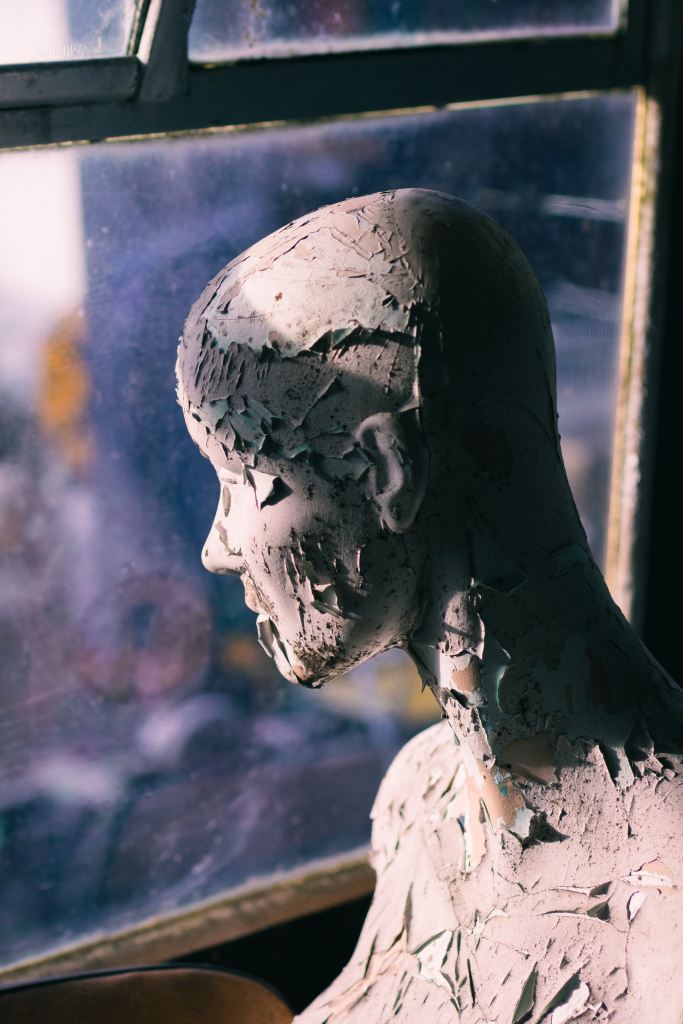
― Elizabeth Wurtzel, Prozac Nation
But that too, came with its own secret stress trap door. For in a society where instant communication is expected of you, an apology for your failure to honor this unspoken social contract is attached.
After putting off replying to messages until I felt good and ready, I found I would be trapped in yet another revolving door of apologies, explanations, and a reset to a demand for detail. Sorry, I couldn’t…. Yes, I am fine…. No, I don’t feel like talking about it just yet. With it came guilt, for, it was not that I didn’t want to share, it was that I didn’t want to feel as though I was expected to, and could feel patience wearing thin, with the undertones of “well, we all have stuff going on, but at least we don’t ghost each other.” So loneliness becomes the next best thing. Why bother when my word isn’t taken for what it is worth – I am unavailable, respect my space, I still love you but I don’t want to be with you or talk to you just now, but I will be back. This version of expiated friendship felt like investing a great fortune for a pittance in return
The Yellow Brick Road
If you’re lucky, even with the understanding acquiescence of your supportive friend group, you still have to solve the little problem of seeking help. Now, help, as we in the current mental health first world, have been so unreliably informed, is easy to find. But this is a black comedy joke. Imagine a Venn diagram, and in each circle is one of the three main variables of cost, qualifications and expertise, and available variables. Chances are, in the mythical world of mental health, if you are in search of a psychologist or counselor, or therapist, as their qualifications specify, you are unlikely to find a qualified/ suitable, affordable, and immediately available professional on your first try.
Social, financial, geographical, linguistic, and methodological factors mean that, depending on your gender, race, age, the peculiarities of your depression including add-ons like addiction, your tax bracket, and even cultural factors including religion, mean that a therapist that was great for your friend Bethany isn’t exactly a fit for you. And since mental health, and therefore mental health professionals have become akin to social currency in our current world, chances of getting recommendations are diminished, as people are likely to bogart a mental health professional because of a cherished parasocial relationship.
But suppose you get the unicorn of therapists, then what? The other side of “doing the work” as it is so fondly put, is that it is ACTUAL work. For starters, it is a time and financial commitment, and if you are an overthinker, then, my friend, you my friend are shunted. At the start of my therapy journey, I was beyond energized. I was finally moving away from my “coulda, shoulda, woulda” phase. I was slightly more productive, and the one demon I had been wrestling seemed almost completely exorcised. My therapist assured me there would be setbacks, but no matter. Even though it is not their fault, I did take this as a license not to try as hard, and soon enough I was back at it, but this time, with a twist – at the end of every week, I had to self-report to my therapist and hope that they weren’t disappointed in me because I did the exact opposite of what they told me.
This is utterly illogical because, despite any cordiality and show of concern for their patients/clients, mental health professionals are not personally or emotionally invested in “our” lives. But what is logic when you can overthink and make a mountain out of a molehill? My therapy sessions began to be yet another relationship to manage, my therapist yet another person to either explain myself to or dodge, another supporter to potentially disappoint.
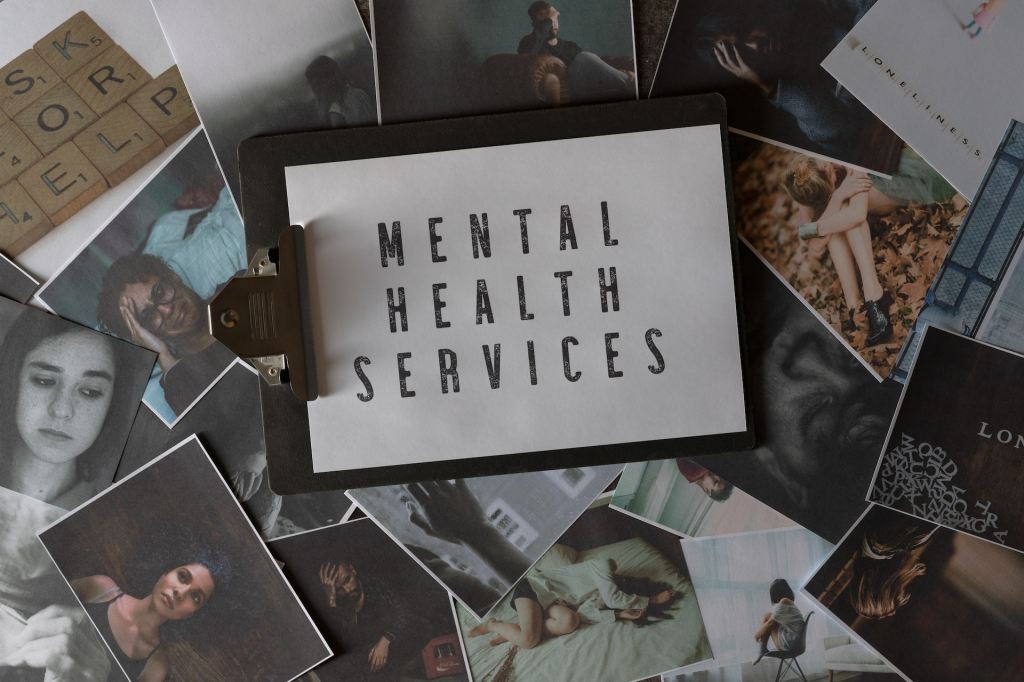
― Elizabeth Wurtzel, Prozac Nation
Of course, this is an exaggeration but when in it, it feels incredibly real, and increasingly like a chore – shower, wash dishes, shop, talk to the shrink about how I messed up royally this week. I was not prepared to be as terrified about having therapy as I was about not finding help, and frankly, at times I am unsure which is worse. They do say, better to trust the devil you know after all. But this is not a fable but a life that I would like to live better, though by all indications, I am not, and this too has been added to yet another thing I will avoid talking about with my friends, that is, when I get back to them after a spell.
I say all this to say, depression as real as it is, manifests itself in many unique and almost mundane ways. It might be that in our personal searches for self-respect and respect from others, we mistake signs of depressive withdrawal for rudeness and retaliate with pre-meditated isolation of someone who is battling with their own demons. Because we are oversaturated with mental health and mental awareness information thanks to social media, it has become a tacit expectation that we all know, understand, and correctly use mental health jargon to express ourselves, when in reality, many are drowning in the plethora of options, and out of fear of being misunderstood, choose to silence themselves.
Conversely, as they say, the road to hell is paved with good intentions. Pressuring friends and family to share what they are going through might not be the tonic to their ailment you might believe it to be. Opening a channel of communication for when they’re good and ready and letting them come to you might be just the thing. Mental health issues aren’t a badge of honor. There are those who struggle through their days and wish nothing more than to be “neurotic” in the contemporary way you use it.
And finally, seeking therapy is a time and financial commitment, and might take several tries before it sticks. If you know of someone who is seeking or has paused their therapy sessions, please don’t hound them as to why they have. Those reasons are as personal as their struggles, and as much as you might love them, it doesn’t mean they owe you their mental health struggles. Just as depression for each person might require different approaches and different roads to wellness, so too can compassion for those battling it be multifaceted. It might be time that we all reacquainted ourselves with our little handy books of compassion to remind ourselves just how many of them there are.
Photos: Unsplash
 Piquing Duck
3 thoughts on “So, Uhm…: Voicing the Crushing Silence of Depression”